Visiting the Pelga Falls in Meghalaya
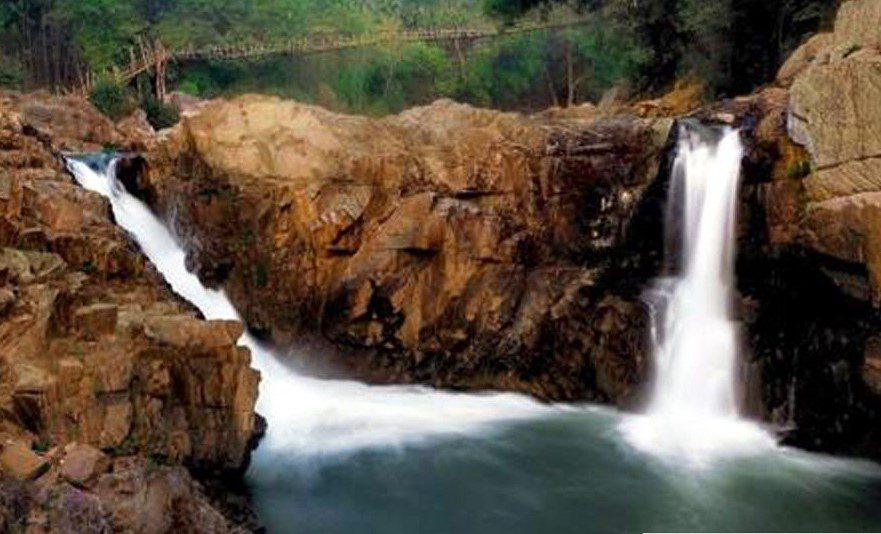
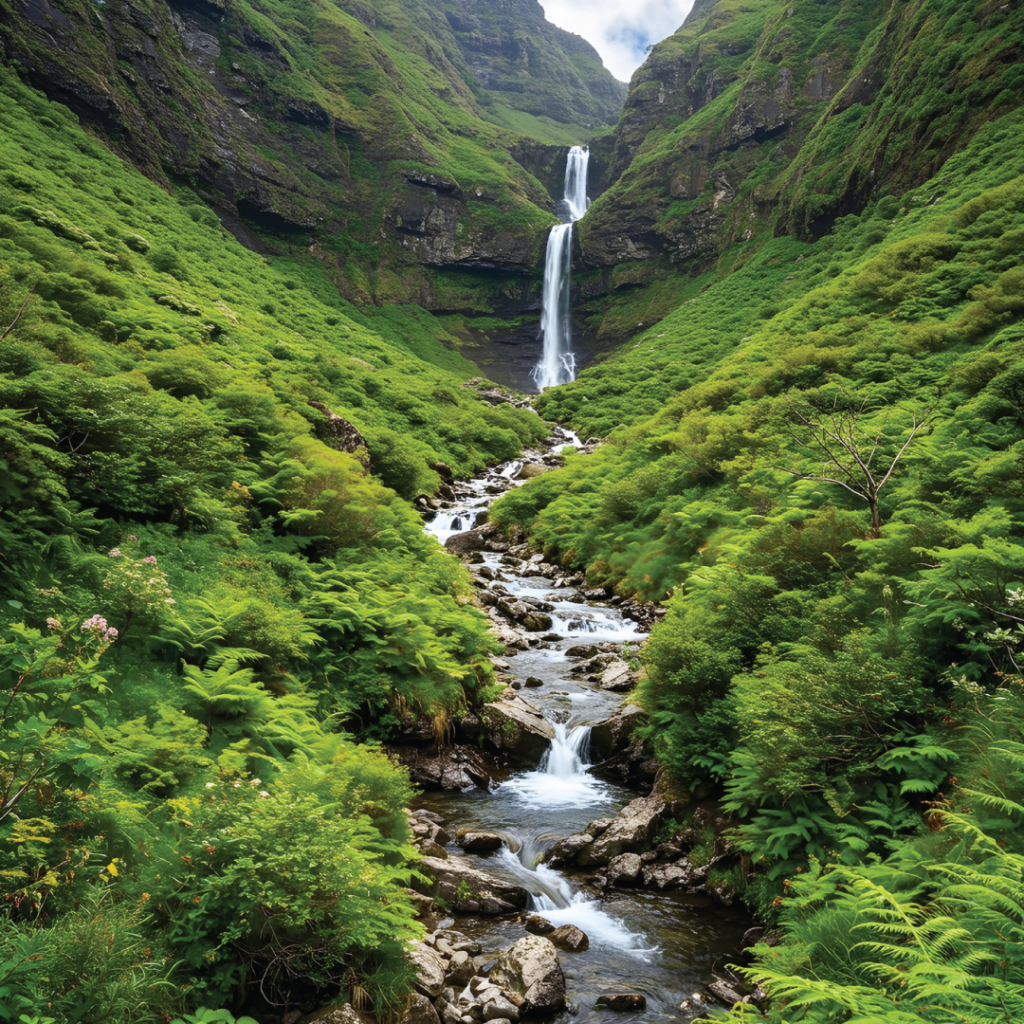
Pelga Falls in Meghalaya beckons travelers with its pristine natural beauty and serene ambiance. Nestled amidst the lush landscapes of Meghalaya, this picturesque waterfall promises a refreshing escape for those seeking tranquility and adventure. As one of the hidden gems of the region, Pelga Falls offers visitors a glimpse into the unspoiled beauty of Meghalaya, showcasing cascading waters, verdant surroundings, and a sense of serenity that is truly captivating. In this article, we will delve into the essence of Pelga Falls, exploring its charm, activities, local culture, and practical travel tips to ensure a memorable and fulfilling visit to this enchanting destination. # 1. Introduction to Pelga Falls ## 1.1 Overview of Pelga Falls Pelga Falls in Meghalaya is a stunning natural attraction renowned for its picturesque beauty and tranquil surroundings. The cascading waterfall is a sight to behold for nature enthusiasts and adventure seekers alike. ## 1.2 Significance of Pelga Falls in Meghalaya Pelga Falls holds significant importance in Meghalaya for its role in attracting tourists to explore the rich natural heritage of the region. Its pristine waters and lush greenery make it a must-visit destination for those seeking a refreshing escape in the lap of nature. # 2. Exploring the Natural Beauty of Meghalaya ## 2.1 Meghalaya’s Unique Landscapes Meghalaya, known as the ‘abode of clouds,’ boasts unique landscapes characterized by rolling hills, deep valleys, and dense forests. The state’s natural beauty is a visual treat for visitors looking to immerse themselves in the wonders of the great outdoors. ## 2.2 Biodiversity and Eco-tourism in Meghalaya Meghalaya’s rich biodiversity and eco-tourism initiatives make it a paradise for nature lovers. From rare flora and fauna to sustainable tourism practices, the state is a testament to the importance of conserving natural resources for future generations. # 3. Getting to Pelga Falls ## 3.1 Transportation Options to Reach Pelga Falls Travelers can access Pelga Falls by various transportation modes, including private vehicles, local buses, or organized tours. The journey to the falls offers scenic views of Meghalaya’s countryside, adding to the overall charm of the experience. ## 3.2 Best Times to Visit Pelga Falls The best times to visit Pelga Falls are typically during the monsoon season when the waterfall is at its full glory due to the increased water flow. However, visitors can also enjoy the serenity of the falls during the post-monsoon period when the weather is pleasant for outdoor activities. # 4. Activities and Attractions at Pelga Falls ## 4.1 Waterfall Trekking and Hiking Trails Adventure enthusiasts can indulge in waterfall trekking and hiking trails around Pelga Falls, offering a thrilling experience amidst lush greenery and cascading waters. The trails provide an opportunity to explore the natural beauty of the surroundings up close. ## 4.2 Swimming and Picnicking at Pelga Falls Visitors can unwind and relax by swimming in the cool waters of Pelga Falls or enjoy a leisurely picnic by the banks, making it a perfect spot for a day out with family and friends. The tranquil ambiance and scenic beauty of the falls create a serene setting for a memorable outing. 5. Local Culture and Cuisine in Meghalaya 5.1 Traditional Practices and Festivals in Meghalaya Meghalaya isn’t just about breathtaking landscapes; it’s also rich in culture and tradition. From colorful tribal festivals like Behdienkhlam and Wangala to unique customs like the Nongkrem dance, immerse yourself in the vibrant tapestry of Meghalayan heritage. 5.2 Authentic Meghalayan Dishes to Try When in Meghalaya, feast like a local! Dive into the flavors of Jadoh (rice and meat cooked together), Dohneiiong (pork with black sesame paste), and the fiery favorite, Dohkhlieh (pork salad). Don’t miss out on the refreshing taste of Ja Stem (rice beer) to complete your culinary adventure. 6. Accommodation Options near Pelga Falls 6.1 Hotels and Resorts in the Vicinity of Pelga Falls For those seeking comfort and convenience, choose from a range of hotels and resorts near Pelga Falls. Whether you prefer luxury amenities or cozy rooms with a view, there’s something for every traveler’s taste and budget. 6.2 Homestay Experiences for a Local Touch For a more intimate stay, opt for a homestay near Pelga Falls. Experience genuine Meghalayan hospitality, savor home-cooked meals, and immerse yourself in the local way of life. It’s not just accommodation; it’s a chance to create lasting memories with the warmth of a home away from home. 7. Tips for a Memorable Trip to Pelga Falls 7.1 Packing Essentials for a Visit to Pelga Falls When packing for your trip to Pelga Falls, don’t forget essentials like sturdy hiking shoes, a waterproof jacket, insect repellent, and of course, your camera to capture those picture-perfect moments. Be prepared for changing weather conditions and rugged terrain to make the most of your adventure. 7.2 Safety Guidelines and Responsible Travel Practices While exploring the beauty of Pelga Falls, prioritize safety by staying on designated trails, respecting wildlife, and following local guidance. Embrace sustainable travel practices by minimizing waste, supporting local communities, and leaving only footprints behind. By being a responsible traveler, you not only protect the environment but also contribute positively to the destination and its inhabitants.As you bid farewell to the mesmerizing Pelga Falls in Meghalaya, may the memories of its cascading waters and tranquil surroundings linger in your heart. Whether you embarked on adventurous hikes, savored local delicacies, or simply soaked in the natural beauty, Pelga Falls has undoubtedly left an indelible mark on your travel journey. As you reflect on your time spent amidst the wonders of Meghalaya, may the essence of Pelga Falls continue to inspire your future explorations and beckon you back to its enchanting embrace. FAQ for Pelga Falls Meghalaya Travel 1. Is swimming allowed at Pelga Falls? 2. What are the recommended clothing and gear for visiting Pelga Falls? 3. Are there guided tours available for exploring Pelga Falls and its surrounding areas? 4. How can visitors contribute to the conservation efforts at Pelga Falls and in Meghalaya?
Visiting the Nokrek National Park
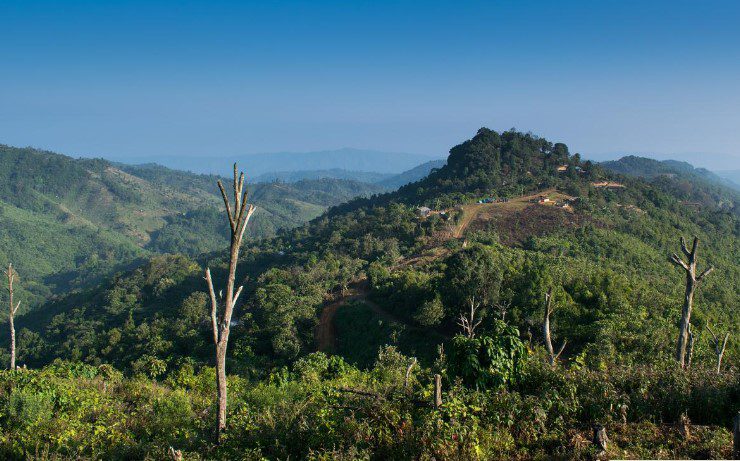
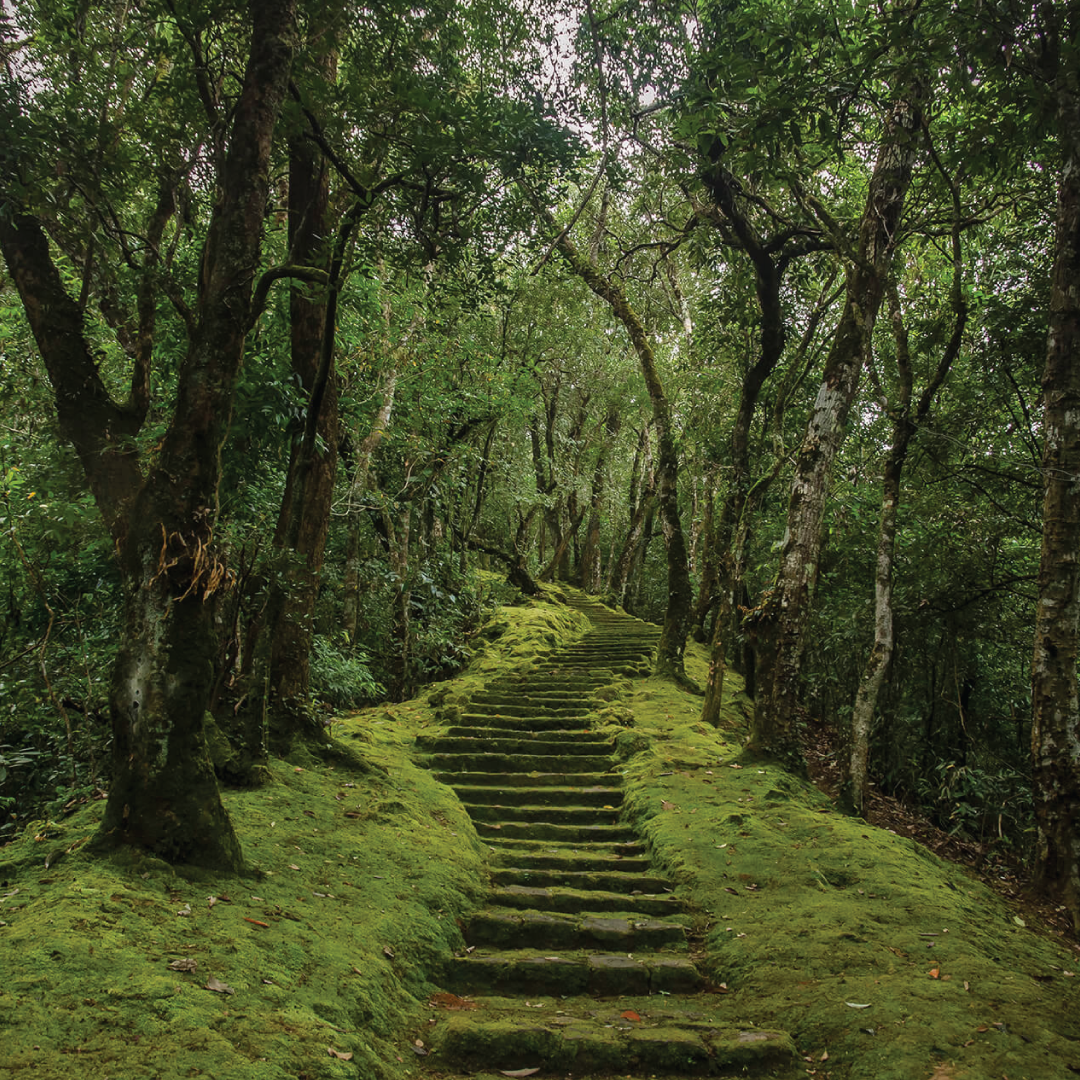
Nestled in the picturesque landscapes of Meghalaya, Nokrek National Park stands as a sanctuary of biodiversity and cultural heritage. This article delves into the allure of Nokrek, offering insights into its diverse flora and fauna, conservation efforts, and the immersive experiences it provides to visitors. From the endemic species that call this park home to the indigenous tribes that have coexisted with nature for generations, Nokrek National Park offers a unique blend of natural wonders and cultural richness waiting to be explored. Introduction to Nokrek National Park Nokrek National Park, nestled in Meghalaya, India, is a nature lover’s paradise brimming with lush forests, stunning landscapes, and a myriad of wildlife. This hidden gem offers a serene retreat for those seeking a break from the hustle and bustle of city life. Location and Overview Located in the West Garo Hills district, Nokrek National Park is renowned for its rich biodiversity and unique flora and fauna. The park is home to the Nokrek Biosphere Reserve, which showcases the best of Meghalaya’s natural beauty and ecological importance. — Biodiversity and Conservation Efforts Nokrek National Park stands out for its exceptional biodiversity and dedicated conservation efforts that aim to preserve the delicate ecosystem within its boundaries. Rich Biodiversity of Nokrek The park boasts a diverse range of plant and animal species, making it a hotspot for wildlife enthusiasts and researchers alike. From rare orchids to elusive mammals, Nokrek is teeming with life waiting to be discovered. Conservation Programs and Initiatives To safeguard this precious biodiversity, Nokrek National Park has implemented various conservation programs and initiatives. These efforts focus on habitat preservation, anti-poaching measures, and community involvement to ensure the long-term sustainability of the park’s natural resources. — Unique Flora and Fauna Exploring Nokrek National Park unveils a world of unique flora and fauna, including endemic species found nowhere else. From vibrant flowers to elusive wildlife, the park is a haven for nature enthusiasts seeking extraordinary encounters. Endemic Species in Nokrek Nokrek is home to several endemic species, including the rare and majestic Red Panda, the state animal of Sikkim. These unique creatures add to the park’s allure and highlight its importance in preserving biodiversity. Noteworthy Wildlife Sightings Visitors to Nokrek National Park may be fortunate enough to witness a diverse array of wildlife, from Asiatic elephants to clouded leopards. Birdwatchers will be delighted by the park’s avian residents, including vibrant hornbills and rare pheasants. — Trekking and Adventure Activities For adventure seekers and nature lovers, Nokrek National Park offers a range of exhilarating trekking trails and outdoor activities that provide an immersive experience in the heart of Meghalaya’s wilderness. Popular Trekking Trails Traverse through verdant forests and rolling hills on popular trekking trails within the park, such as the Nokrek Peak trek and the Rongbang Dare Trek. These trails offer breathtaking vistas and a chance to connect with nature in its purest form. Adventure Opportunities in the Park Apart from trekking, Nokrek National Park presents various adventure opportunities, including camping under the stars, birdwatching excursions, and wildlife safaris. Thrill-seekers can immerse themselves in the park’s natural beauty while engaging in exciting outdoor pursuits. Cultural Insights and Local Communities Indigenous Tribes around Nokrek Nokrek National Park is not just about wildlife; it’s also a haven for cultural richness. The park is surrounded by indigenous tribes like the Garo, Hajong, and Chakma, who have called these lands home for centuries. Interacting with these communities offers a unique opportunity to learn about their traditional way of life, folklore, and crafts. Cultural Experiences for Visitors Visitors to Nokrek National Park can immerse themselves in the local culture by participating in traditional performances, trying authentic cuisine, and exploring tribal villages. Take part in community-led activities like handicraft workshops or cultural shows to truly experience the vibrant heritage of the region. Best Times to Visit and Accommodation Options Optimal Seasons for a Visit The best time to visit Nokrek National Park is during the dry season from November to April when the weather is pleasant, and wildlife sightings are more common. Avoid the monsoon season from June to September, as heavy rains can disrupt travel plans. Accommodation Choices near Nokrek For those seeking accommodation near Nokrek, options range from cozy guesthouses to eco-friendly resorts. Choose from homestays in nearby villages for an authentic experience or opt for sustainable lodges within the park boundaries for a closer connection to nature. Sustainable Tourism Practices Eco-Friendly Initiatives in the Park Nokrek National Park is committed to preserving its biodiversity through various eco-friendly initiatives. The park authorities work closely with local communities to promote sustainable agriculture, reduce waste, and protect endangered species like the elusive red pandas. Responsible Visitor Guidelines As a responsible visitor, you can help protect Nokrek National Park by following guidelines such as avoiding littering, sticking to designated trails, and supporting local artisans. Respect the cultural norms of the indigenous tribes and contribute to the conservation efforts to ensure the park’s beauty for future generations. Conclusion: Experiencing the Beauty of Nokrek National Park Nokrek National Park in Meghalaya is not just a natural wonderland but also a cultural treasure trove waiting to be explored. By immersing yourself in the indigenous traditions, supporting sustainable practices, and savoring the beauty of this biodiverse sanctuary, you can truly appreciate all that Nokrek has to offer. Plan your visit wisely, respect the local communities, and leave behind only footprints as you depart from this enchanting destination. As visitors bid farewell to Nokrek National Park, they carry with them not just memories of its breathtaking beauty, but also a deeper appreciation for the importance of conservation and sustainable tourism. Nokrek’s legacy of preserving its unique ecosystem and showcasing the harmonious coexistence of nature and culture serves as a reminder of the need to protect our natural treasures for future generations to enjoy. Whether trekking through its lush trails or immersing in the local traditions, Nokrek National Park leaves an indelible mark on all who venture into its embrace. FAQs 1. What makes Nokrek National Park
Travel to Rongbang Dar Waterfalls Tura
Discover the enchanting beauty of Rongbang Dar Waterfalls in Tura, Meghalaya, a hidden gem nestled amidst the lush landscapes of Northeast India. This article serves as a guide for travelers seeking an immersive experience in nature, offering insights into the journey to Rongbang Dar, the plethora of activities available, and the rich local culture awaiting exploration. Join us on a virtual adventure to uncover the wonders of Rongbang Dar Waterfalls and embark on a soulful journey through the heart of Meghalaya’s pristine beauty. Introduction to Rongbang Dar Waterfalls When it comes to natural wonders, Rongbang Dar Waterfalls in Tura, Meghalaya, stands out as a mesmerizing destination that captures the essence of Mother Nature’s beauty. Overview of Rongbang Dar’s Natural Beauty Rongbang Dar Waterfalls is a stunning cascade of crystal-clear water, surrounded by lush greenery and towering cliffs that create a picture-perfect backdrop. The sight and sound of the water plunging down into a serene pool below is a sight to behold. The Significance of Rongbang Dar Waterfalls in Meghalaya In Meghalaya, known as the “abode of clouds,” Rongbang Dar Waterfalls holds a special place as a natural marvel that embodies the region’s rich biodiversity and captivating landscapes. It’s a must-visit for nature enthusiasts and adventure seekers alike. Getting to Tura, Meghalaya Embarking on a journey to Tura, Meghalaya, is the first step towards immersing yourself in the beauty of Rongbang Dar Waterfalls. Travel Options to Reach Tura Whether you prefer to travel by road, air, or rail, Tura offers accessibility through various modes of transportation. Choose the option that suits your preferences and budget to kickstart your adventure. Navigating from Tura to Rongbang Dar Waterfalls Once you reach Tura, the journey to Rongbang Dar Waterfalls involves a scenic drive through picturesque landscapes and winding paths. Prepare to be enchanted by the natural beauty that unfolds around you as you make your way to this hidden gem. Exploring the Surroundings of Rongbang Dar The area surrounding Rongbang Dar Waterfalls is teeming with flora and fauna, offering a paradise for nature lovers and explorers. Flora and Fauna in the Rongbang Dar Area Get ready to encounter a diverse range of plant and animal species that call the Rongbang Dar region their home. From vibrant flowers to exotic bird species, nature’s wonders await your discovery. Hidden Gems Near Rongbang Dar Waterfalls Beyond the cascading waters of Rongbang Dar, hidden gems such as secluded trails, verdant valleys, and tranquil viewpoints offer a sense of serenity and exploration for those willing to venture off the beaten path. Activities and Attractions at Rongbang Dar Waterfalls Rongbang Dar Waterfalls isn’t just a sight to behold; it’s also a hub of adventure and excitement waiting to be explored. Adventure Activities Available at Rongbang Dar From trekking to rock climbing, Rongbang Dar offers adrenaline-pumping activities for thrill-seekers looking to add a dash of excitement to their nature escapades. Sightseeing and Photography Opportunities For those who appreciate the beauty of nature’s canvas, Rongbang Dar Waterfalls provides ample opportunities for sightseeing and photography. Capture the essence of this natural wonder and create lasting memories of your visit. Best Time to Visit and Travel Tips Optimal Seasons for Visiting Rongbang Dar If you want to dodge the raindrops and make the most of your trip to Rongbang Dar Waterfalls, the best time to visit is during the dry season from November to April. The waterfall is at its majestic best during this period, with clear skies and pleasant weather to enhance your experience. Essential Travel Tips for a Trip to Rongbang Dar Waterfalls 1. Pack your waterproof gear – unless you’re auditioning for a mermaid role, you’ll want to keep dry. 2. Wear sturdy footwear – flip-flops might be trendy, but they’re not the best choice for navigating the terrain around the waterfalls. 3. Respect nature – leave only footprints, take only memories. It’s the golden rule of responsible travel. Local Culture and Cuisine in Tura Immersing in the Culture of Meghalaya From vibrant festivals to intricate handicrafts, Meghalaya’s culture is as rich as its natural beauty. Take the time to immerse yourself in the local way of life, whether it’s through music, dance, or simply striking up a conversation with a friendly local. Sampling Traditional Meghalayan Cuisine Prepare your taste buds for a culinary adventure! From Jadoh (a rice and meat dish) to Nakham Bitchi (fermented soybean chutney), Meghalayan cuisine is a delightful mix of flavors and textures that will leave you craving more. Don’t be shy – try a bit of everything! Accommodation Options Near Rongbang Dar Lodging Choices in Proximity to Rongbang Dar Waterfalls When it comes to choosing where to rest your weary head after a day of exploring Rongbang Dar, you’ll find a range of accommodation options nearby. Whether you prefer a cozy guesthouse or a luxurious resort, there’s something to suit every budget and preference. Recommended Accommodations for a Comfortable Stay Looking for a comfortable stay near Rongbang Dar Waterfalls? Keep an eye out for accommodations that offer stunning views, warm hospitality, and a touch of local charm. After all, a good night’s sleep is essential for tackling those waterfall adventures! Preserving the Natural Beauty of Rongbang Dar Conservation Efforts and Sustainability Practices Preserving the natural beauty of Rongbang Dar is a collective responsibility. From supporting local conservation initiatives to minimizing your environmental footprint, there are many ways to contribute to the sustainable preservation of this breathtaking site. Responsible Tourism Guidelines for Visitors to Rongbang Dar To ensure that future generations can also enjoy the splendor of Rongbang Dar, it’s crucial to follow responsible tourism practices. Stick to marked trails, avoid littering, and be mindful of the impact your actions may have on the environment. Remember, we’re all in this together!As you bid farewell to the serene cascades of Rongbang Dar Waterfalls and the charming town of Tura, may the memories of this idyllic destination linger in your heart, inspiring future explorations and a deep appreciation for the wonders of nature. Whether you seek adventure,
Top 5 Famous Waterfalls Near Shillong Meghalaya
Introduction to Shillong and its Surrounding Waterfalls Shillong, the capital of Meghalaya, is a picturesque hill station nestled in the northeastern part of India. Known for its lush green landscapes, rolling hills, and breathtaking waterfalls, Shillong is a haven for nature lovers and adventure enthusiasts alike. In this article, we will explore five famous waterfalls near Shillong that showcase the natural beauty and charm of the region. From the towering Nohkalikai Falls to the hidden gem of Krang Suri Falls, each waterfall offers a unique spectacle for visitors to behold. Join us on a journey to discover the cascading wonders that await in the vicinity of Shillong, Meghalaya. 1. Introduction to Shillong and its Surrounding Waterfalls Discovering the Charm of Shillong Shillong, the picturesque capital of Meghalaya, is not just a land of rolling hills and scenic landscapes but also home to some of the most stunning waterfalls in India. The cascading water bodies near Shillong offer a refreshing escape from the hustle and bustle of city life, making them must-visit destinations for nature lovers and adventure seekers alike. 2. Nohkalikai Falls – The Tallest Plunge Waterfall in India Overview of Nohkalikai Falls Prepare to be mesmerized by the majestic beauty of Nohkalikai Falls, the tallest plunge waterfall in India. Located near Cherrapunji, this enchanting natural wonder plunges from a height of approximately 1,100 feet, creating a breathtaking sight that will leave you in awe. The lush green surroundings and the sheer force of the cascading water make Nohkalikai Falls a must-visit attraction near Shillong. Best Time to Visit The best time to visit Nohkalikai Falls is during the monsoon season when the waterfall is at its full glory, presenting a stunning spectacle of nature’s raw power and beauty. 3. Elephant Falls – A Popular Tourist Attraction near Shillong History and Significance Steeped in history and surrounded by myths and legends, Elephant Falls is a popular tourist attraction near Shillong. The name “Elephant Falls” was given by the British due to a rock resembling an elephant near the falls. The three-tiered waterfall offers a serene ambiance, making it a perfect spot for picnics and leisurely strolls. Activities and Attractions Nearby Apart from enjoying the scenic beauty of Elephant Falls, visitors can explore the nearby Shillong Peak for panoramic views, visit the Shillong Botanical Garden for a tranquil experience, or indulge in shopping at local markets for unique souvenirs. 4. Krang Suri Falls – A Hidden Gem in the Jaintia Hills Unveiling the Beauty of Krang Suri Falls Tucked away in the Jaintia Hills, Krang Suri Falls is a hidden gem waiting to be explored. With its crystal-clear turquoise waters cascading over rocky cliffs surrounded by lush greenery, Krang Suri Falls presents a postcard-perfect setting for nature enthusiasts and photographers alike. How to Reach and Things to Do To reach Krang Suri Falls, one can hire a local taxi from Shillong or drive to the falls. Once there, visitors can take a refreshing dip in the cool waters, have a picnic by the picturesque surroundings, or simply bask in the tranquility of nature’s beauty. Don’t forget to capture the mesmerizing views to cherish the memories of this hidden paradise.**5. Sweet Falls – A Scenic Cascade Amidst Lush Greenery** *Enchanting Sweet Falls: A Visual Delight* Tucked away amidst lush greenery near Shillong, Sweet Falls is a scenic cascade that promises a visual treat for all nature lovers. The cascading waters and verdant surroundings make it an enchanting spot worth visiting. *Safety Precautions for Visitors* While the majestic beauty of Sweet Falls beckons, it’s essential to prioritize safety during your visit. Be cautious of slippery rocks, follow designated paths, and avoid venturing into restricted areas. By staying alert and observing safety guidelines, you can enjoy the beauty of Sweet Falls responsibly. **6. Bishop Falls – A Serene Waterfall Offering Tranquility** *Tranquility at Bishop Falls* Bishop Falls, a serene waterfall near Shillong, offers a peaceful retreat for visitors seeking tranquility. The soothing sound of water cascading down the rocks, coupled with the serene atmosphere, makes Bishop Falls a must-visit destination for those looking to unwind amidst nature’s beauty. *Photography Tips and Best Views* Capture the essence of Bishop Falls by choosing the best vantage points and experimenting with different angles. Play with lighting to enhance the cascading water’s beauty, and don’t forget to pack your camera to preserve the memories of this picturesque waterfall. **7. Exploring the Natural Beauty and Adventure Around Shillong** *Other Notable Waterfalls in the Vicinity* Beyond Sweet Falls and Bishop Falls, Shillong and its surrounding areas boast a plethora of other notable waterfalls waiting to be explored. From the majestic Elephant Falls to the cascading Krang Suri Falls, each waterfall offers a unique experience that adds to the region’s natural charm. *Outdoor Activities and Sightseeing Options* Embrace the spirit of adventure by indulging in outdoor activities such as trekking, hiking, or simply basking in the beauty of nature around Shillong. Explore nearby attractions, engage in local culture, and immerse yourself in the breathtaking landscapes that this region has to offer. **8. Practical Tips for Visiting Waterfalls near Shillong** *Transportation and Accommodation Options* Plan your trip to the waterfalls near Shillong by considering transportation and accommodation options that suit your preferences. Whether opting for a guided tour or self-exploration, ensure you have a reliable mode of transport and choose accommodations that offer convenience and comfort during your stay. *Packing Essentials for a Day Trip to Waterfalls* For a day trip to the waterfalls, pack essentials such as water, snacks, sunscreen, a first aid kit, and appropriate footwear for hiking or walking. Don’t forget your camera to capture the stunning scenery, and be prepared for changing weather conditions by carrying a light jacket or raincoat. Enjoy your adventure while being well-prepared for a memorable experience near Shillong’s captivating waterfalls. In conclusion, the waterfalls near Shillong, Meghalaya, offer a captivating blend of natural beauty, tranquility, and adventure. Whether you seek the awe-inspiring height of Nohkalikai Falls or the serene charm of Bishop
7 Famous Caves of Meghalaya
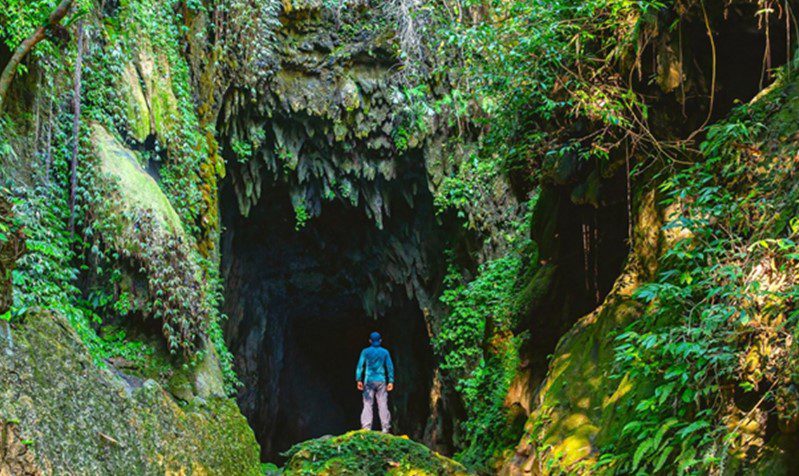
Meghalaya has a number of limestone caves in the Garo, the Jaintia and the Khasi hills which attract thousands of tourists across the year. The longest is Krem Liat Prah in the Jaintia Hills, which is 30,957 meters. The exploration of the Caves of Meghalaya is currently undertaken for both scientific and recreational pursuits and there are still many unexplored and partially explored caves in the state. The annual caving expeditions organized by Meghalaya Adventurers Association are known as “Caving in the Abode of the Clouds Project”. 7 Famous Caves to Visit in Meghalaya 1. Krem Mawkhyrdop or Krem Mawmluh Cave The main entrance of this famous cave is located at the bottom of the western flank of Lum Lawbah. The entrance is easily found by following the river behind the cement works of the Mawmluh Cherra Cements Limited, downstream for about 200 metres to a point where the river disappears underground. The main sink entrance requires wading through water, which in the dry season turns into a deadly black quicksand from the effluents of the cements works. The best option to enter the cave would be through a high level bypass entrance which runs parallel to the main passage. 2. Krem Dam Cave The impressive entrance of Krem Dam, measuring some 30 m across, lies at the foot of a large blind valley approximately 1 km to the east of Mawsynram village. A sizeable stream running down the valley enters the cave. The cave is formed in a coarse grained facies of limestone which almost looks like sandstone. The cave consists mainly of one very large river passage ending in a roof collapse where daylight can be seen. To the side of the main passage a complex maze of side passages and oxbows exist. The cave has no significant calcite formations. 3. Krem Lymput Cave The cave lies about 6 km. from the village of Nongjri. The inconspicuous entrance hidden in the jungle covered boulders reveals itself by the cool air it blows. It is another beautiful and rather easy cave for any tourist. From the small entrance hole, the main trunk passage runs for about 1 km with inclined walls and ceiling towards west into a passage known as ‘Way to Heaven,” which is a very loose and slippery climb. It leads into a series of spacious galleries which are very rich in calcite formations. Here, the great attraction is the Mughal Room (more than 25 m wide, 25 m high, and 75 m long). This cave is 6641m in length. 4. Mawsmai Cave Cave 6 kms from the Sohra market to the south lies the village of Mawsmai in the direction of Bangladesh border. At the village crossing, one passes grasslands surrounded by forests, ending in a clearing. From this clearing, a concrete pathway through the jungle leads up to the main cave entrance. This cave is the only cave that is fully lighted. The cave can be divided into two parts (old and new). Of the two, the new cave is yet to be lighted. It has impressive formations of large passages and chambers. 5. Krem Mawjymbuin Cave Half a kilometre before reaching Mawsynram village, a metalled road on the left leads to a parking area by the cave. The entrance chamber of some 50 metres across and 4 metres high at its centre, has a large stalactite over a female stalagmite which gives an impression of a Shiva Lingam. This cave has now become a sacred shrine for Hindu believers. A small stream flows under the left (east) wall of the chamber, around some large boulders before entering a side passage heading east which runs for about 40 m to end in a boulder collapse. A side passage leads to a second rift entrance, called Back Entrance which exits out through the rear. Another side passage at the rear of the chamber forms a series of small rift inlet passages that run north and then east for some 50 metres, before becoming too tight.
6 Tourist Destinations to visit in Cherrapunji
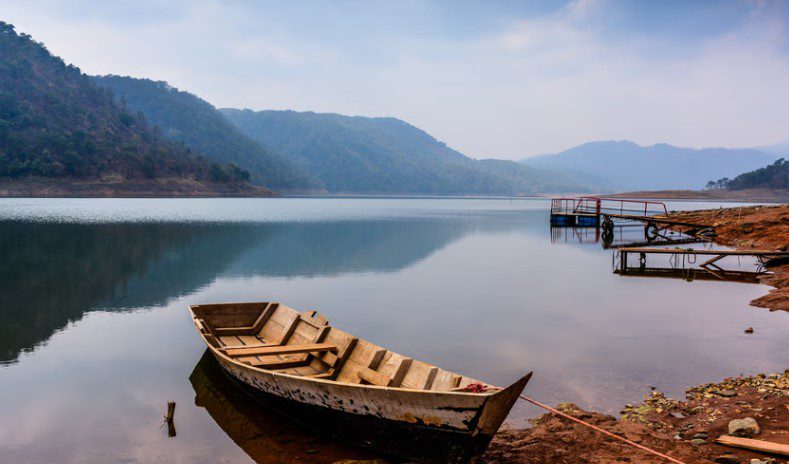
Cherrapunji located at an approx altitude of 4,500 feet is a popular tour destination for travelers visiting the state of Meghalaya. Cherapunji is also known as Sohra by the locals who lived there. Cherrapunji is one of the wettest places on Earth with lush green rain forests and valleys. Cherrapunji has often been credited as being the wettest place on Earth, but for now nearby Mawsynram currently holds that distinction. Cherrapunji still holds the all-time record for the most rainfall in a calendar month and in a year. 6 Tourist Destinations to visit in Cherrapunji 1. Wakaba Falls ( Tour Destinations Around Cherapunji / Sohra ) The red stone cliffs and greenary from the background of this water falls which is situated in the Khasi Hills of Cherrapunji and famous among tourists sightseeing the place. Tourists have to walk a short trek of about 400 feet to visit the Wakaba waterfalls which is a tiered waterfalls with captivating natural beauty around it. 2. Mawlynnong Village ( Tour Destinations Around Cherapunji / Sohra ) The village of Mawlynnong was awarded as Asia’s cleanest village but little do you know about the beauty it holds! The picturesque village of Mawlynnong near Cherrapunji promoted extensively by Cherrapunjee tourism is also known as ‘God’s own garden’. The village is managed completely by the villagers residing in it who toil hard to keep the place looking fresh and clean. All in all the cleanliness, and beauty of the Mawlynnong village makes you feel like you are in paradise. 3. Dainthlen Waterfall ( Tour Destinations Around Cherapunji / Sohra ) The Dainthlen Waterfalls is one of the most popular tourist places you can visit while in Cherrapunji. Tourists can see natural rock carvings near the waterfalls which narrate the story of a ‘thlen’ or a python which was killed at the top of the waterfalls in ancient times. Other than the legend, the Dainthlen water falls itself is filled with picturesque natural beauty. 4. Mawsmai Cave ( Tour Destinations Around Cherapunji / Sohra ) Around a distance of 6 kilometers from Cherapunji in the Jaintia Hills of Meghalaya, you can visit the Mawsmai cave which is the longest cave in India. The stalactites and stalagmites caves have innumerable forms, shapes and sizes inside leaving one to imagine as many life forms as possible. The Mawsmai Cave is among one of the most accessible caves in India and a must-visit places to visit while in Cherrapunji. The 150 m long cave is an ideal place for those of you who are interested in the magnificent world of caving. 5. Mawsmai Falls ( Tour Destinations Around Cherapunji / Sohra ) The Mawsmai Falls which is also known as the Nohsngithiang Falls or the Seven Sisters Waterfalls are a beautiful seven-segmented fall. The Mawsmai falls plunges over the top of limestone cliffs of the Khasi Hills only during the rainy season. In full spate, the segments stretch most of the way along the cliff. The waterfalls get illuminated by the sun and the vibrant colors of the setting sun on the waterfalls makes it beautiful. 6. Mawkdok Dympep Valley View The Mawkdok Dympep Valley View located at the beginning of the Sohra circuit is a compulsory stopover for tourists traveling to Cherrapunji. The viewpoint is a short walk down the road and offers endless panoramas of the verdant valley. It’s a breathtaking sight, especially in the monsoons when the clouds play hide and seek. The state forest department has made a view-point at this valley from where you can enjoy and appreciate the natural beauty the valleypresents to you. Tourists have to walk down a number of steps to reach the valley. We provide tourist cars to all these locations for tour and sightseeing purposes. Get in touch to book your Shillong and Meghalaya tourist cab with us and pay later.
4 Famous Wildlife Parks & Safaris in Assam
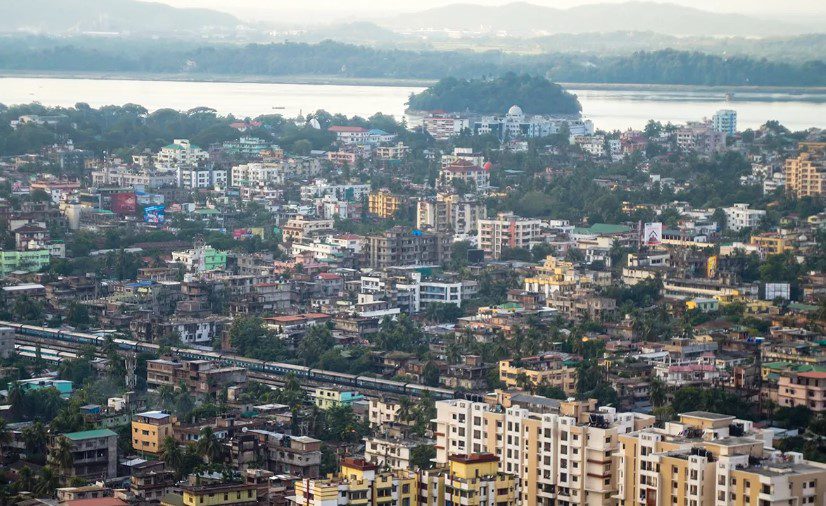
Assam is a state in northeastern India, situated south of the eastern Himalayas along the Brahmaputra and Barak River valleys. Guwahati a major tourist hub is the capital of Assam. The city of Guwahati is well connected with railways and air which is why most people first visit this place on their jurney to the northeast of India. The indigenous people traditionally include ethnic groups like Tai Ahom people, Tai Khamti people, Tai Turung people, Tai Aiton people, Tai Phake, Koch Rajbongshi, Misings, Karbi, Sonowal Kachari, Rabha, Biate, Chutia, Kalitas, Meitei, Keot (Kaibarta), Bodo Kachari, Tea tribes, Tiwa, Mech Kachari, Thengal-Kacharis, Sarania Kacharis, Deorii, Dimasa Kachari, Hmar, Doms/Nadiyals, Assamese Brahmins (including Ganaks), Assamese Muslims (particularly Syeds, Goria, Moria, Deshi communities), Assamese Sikhs,[11] and Assamese Christians speaking Assamese or any other tribal dialect of Assam as their mother tongue. Assam is known for Assam tea and Assam silk. The state has conserved the one-horned Indian rhinoceros from near extinction, along with the wild water buffalo, pygmy hog, tiger and various species of Asiatic birds, and provides one of the last wild habitats for the Asian elephant. The Assamese economy is aided by wildlife tourism to Kaziranga National Park and Manas National Park, which are World Heritage Sites. Sal tree forests are found in the state which, as a result of abundant rainfall, look green all year round. Assam receives more rainfall than most parts of India; this rain feeds the Brahmaputra River, whose tributaries and oxbow lakes provide the region with a hydro-geomorphic environment. 4 Famous Wildlife Parks You Must Visit in Assam 1. Kaziranga National Park Kaziranga National Park is undoubtedly the most fmaous national park in Assam located in the Golaghat and Nagaon districts. Kaziranga National Park hosts two-thirds of the world’s great one-horned rhinoceroses and is a World Heritage Site. 2. Manas National Park Manas National Park or Manas Wildlife Sanctuary is a national park, UNESCO Natural World Heritage site, a Project Tiger reserve, an elephant reserve and a biosphere reserve in Assam, India which is located in the Himalayan foothills. The name of the park is originated from the Manas River, which is named after the serpent goddess Manasa. The Manas river is a major tributary of Brahmaputra River, which passes through the heart of the national park. 3. Dibru-Saikhowa National Park Dibru-Saikhowa (Pron: ˈdɪbru: ˌsaɪˈkəʊwə) National Park is a national park in Assam, India. It is located in Dibrugarh and Tinsukia districts and was designated a Biosphere Reserve in July 1997 with an area of 765 km2. The forest of Dibru-Saikhowa consists of semi-evergreen forests, deciduous, littoral and swamp forests and patches of wet evergreen forests. Major tree species which can be seen here are tetrasperma, Dillenia indica, Bischofia javanica, Bombax ceiba, Lagerstroemia parviflora, Terminalia myriocarpa, Mesua ferrea, Dalbergia sissoo, and Ficus. Arundo donax, Imperata cylindrica, Phragmites karka, Saccharum ravennae are principal types of grasses in the national park. Around thirty five species of epiphytic orchids and 8 species of terrestrial orchid are recorded. Thirty six mammal species have been have been seen here including the elusive Bengal tiger, Indian leopard, clouded leopard, jungle cat, sloth bear, dhole, small Indian civet, Malayan giant squirrel, Chinese pangolin, Gangetic dolphin, slow loris, pig tailed macaque, Assamese macaque, rhesus macaque, capped langur, Hoolock gibbon, Asian elephant, wild boar, Sambar deer, hog deer, barking deer, Asiatic water buffalo,[citation needed] and feral horse. Two species of monitor lizard, eight turtle species and eight snake species have been recorded. Many tourists come to watch birds in this wildlife reserve such as the ferruginous pochard, Jerdon’s babbler, black-breasted parrotbill, marsh babbler, puff-throated babbler, Jerdon’s bushchat, rufous-rumped grassbird, chestnut-crowned bush warbler, Sarus crane, Bengal florican, spot-billed pelican, white-necked stork, black stork, black-necked stork, white-bellied heron, glossy ibis, fulvous whistling-duck, bar-headed goose, common shelduck, white-winged duck, spot-billed duck, Baer’s pochard, swamp francolin, Himalayan griffon, white-tailed eagle, Pallas’s fish-eagle, grey-headed fish eagle, greater spotted eagle, white-backed vulture, slender-billed vulture, lesser kestrel, brown fish owl, great pied hornbill, spotted redshank, spotted greenshank,[9] Indian cormorant, grey heron, purple heron, black-crowned night heron, yellow bittern, Asian openbill, greylag goose, northern pintail, osprey, crested serpent-eagle, white-winged wood duck, pale-capped pigeon. 4. Orang National Park The Orang National Park also known as Rajiv Gandhi Orang National Park is located on the north bank of the Brahmaputra River in the Darrang and Sonitpur districts of Assam, India, covers an area of 78.81 square kilometres. This park was established as a sanctuary in the year 1985 and declared a national park on 13 April 1999.The park has a rich flora and fauna, including great Indian one-horned rhinoceros, pygmy hog, elephants, wild buffalo and tigers. It is the only stronghold of rhinoceros on the north bank of the Brahmaputra river. Orang park contains significant breeding populations of several mammalian species. Apart from the great Indian one-horned rhinoceros, which is the dominant species of the national park, the other key species sharing the habitat are the royal Bengal tiger, Asiatic elephant, pygmy hog, hog deer and wild boar. We provide tourist cars to all these locations for tour and sightseeing purposes. Get in touch to book your Shillong and Meghalaya tourist cab with us and pay later.
All About the City of Guwahati in Assam
Welcome to the enchanting city of Guwahati, a vibrant destination that offers a perfect blend of natural beauty, cultural heritage, and adventure. Whether you are a nature enthusiast, history buff, or simply seeking a memorable travel experience, Guwahati has something to offer for everyone. Guwahati is renowned for its rich history and is considered the gateway to the northeastern region of India. As you embark on your tour of this captivating city, get ready to immerse yourself in its stunning landscapes and explore its fascinating attractions. Around the 13th century, Muslim conquerors began entering the Brahmaputra valley from the west regions while from the east, the Ahoms entered the present day Assam. The Muslim conquerors were pushed back but the Ahoms quickly won and created their own kingdom which later became an integral part of Assam. The Ahoms always had their capital in upper Assam (Eastern Assam) and at that time another indigenous kingdom called the Koch Kingdom also emerged covering lower Assam and North Bengal. Coochbehar was today the center of this kingdom and so Guwahati became a kind of border town between the two kingdoms. However, it remains a major pilgrimage site and a major river port. Besides being a major northeast attraction, Guwahati in Assam is a big tourist link center. Major cities in India connect with Guwahati via air or train, making it one of the top-visited destinations in Assam. Moreover, lakhs of pilgrims travel to Guwahati as it houses numerous ancient temples, especially during Ambubachi Mela every year. For tourists out there curious to visit Guwahati, here is a travel guide that will help you know about Guwahati. Guwahati is the birthplace of Kamadeva, the God of Love Kama, and thus, there is a magical aura that still lingers over the ever-expanding city. People say that the demon king Narakasura built this ancient place known as Guwahati today. Guwahati owes its mystical charm to the ancient ‘Kamrup.’ The town was once the British administration location after which it started to take its present form. In the year of 1824, the British took over the city from the Burmese and established their first station in Assam in the Nilachal Hills where the famous Kamakhya temple is located. Situated on the banks of the mighty river Brahmaputra, Guwahati is the junction of three important roads, National Highway 31, National Highway 37, and National Highway 40. It is split into two parts by the river, and North Guwahati is almost falls in a separate zone. One can visit North Guwahati via the Saraighat Bridge or the ferries on the river. Notable Festival celebrated of Guwahati The most important festival here is the Bohag Bihu, which marks the beginning of the Assamese New Year and falls around mid of April. Various local delicacies like pithas, larus, and other sweetmeats are available. All these preparations are vegetarian. The Durga Puja, celebrated in October, is another major festival. In June-July, the famous Ambubachi Mela at Kamakhya temple attracts thousands of pilgrims from all over the country. Guwahati has a humid subtropical climate, which offers an average annual temperature of 24°C with an extreme temperature known to have touched the 40°C mark. In addition, Guwahati has a good network of hills surrounding it, which further contributes to the subtropical topography of the region. Before your Guwahati travel, it is crucial to know about the best time to travel to Guwahati to plan your trip better. Take a look. One of the must-visit places in Guwahati is the Kamakhya Temple, an ancient Hindu temple perched atop Nilachal Hill. This sacred shrine attracts pilgrims from all over the country and offers breathtaking panoramic views of the city. Another iconic landmark is the Umananda Island, situated amidst the mighty Brahmaputra River. This picturesque island houses an ancient Shiva temple and provides a serene escape from the hustle and bustle of city life. To delve into Guwahati’s rich cultural heritage, explore places like Srimanta Sankardev Kalakshetra – a cultural institution showcasing Assamese art forms and traditions. Additionally, don’t miss out on experiencing traditional Assamese cuisine that will tantalize your taste buds with its unique flavors. Guwahati also offers ample opportunities for adventure enthusiasts. You can indulge in river cruises along the Brahmaputra River or take part in thrilling activities like trekking in nearby hills or exploring wildlife sanctuaries. In conclusion, Guwahati promises an unforgettable travel experience, where you can witness the beauty of nature, immerse yourself in rich cultural heritage, and embark on thrilling adventures. So pack your bags and get ready to explore this captivating city that has something for every traveler. Weather of Guwahati City Summer in Guwahati Summer in this northeastern city begins in April and lasts only until the following month. During this time, temperatures can reach up to 40°C, making the weather in Guwahati hot and making daytime city tours sweaty. Monsoon in Guwahati The monsoon season brings moderate rainfall to this city. It begins in June and continues until September. So, it will be a good few months to roam around and find out where Guwahati is. Winter in Guwahati Winter in Guwahati offers a comfortable atmosphere to tourists who want to explore its attractions. The cold spell begins in November and lasts till February. The temperature recorded in Guwahati during these months can drop up to 5°C, making this season the best time to visit Guwahati. How to reach Guwahati City Through Airways The city of Guwahati has Lokpriya Gopinath Bordoloi International Airport to handle all flights arriving into its territory on a daily basis. This airport is also known as Guwahati International Airport and connects major Indian cities such as Delhi, Mumbai, Kolkata and Bangalore to Guwahati. The airline also operates flights from international destinations such as Bangkok and Paro. Through Railway If you are reaching Guwahati by train, Guwahati Junction will be your final destination. It operates regular trains from different parts of India to Guwahati. Trains to Guwahati include Rajdhani Express, Northeast Express and Brahmaputra
Awesome Travel Hotpots near Cherrapunji Meghalaya
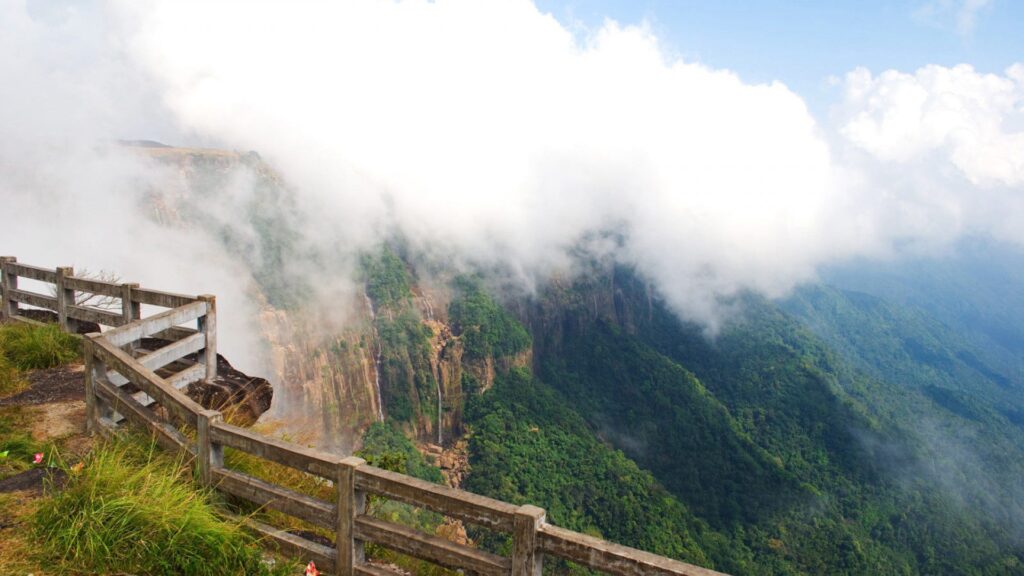
Cherrapunji is one such place that has seen influx of tourists to Meghalaya over the years. Also known as Sohra, this high altitude city is famous for its living bridges, magnificent waterfalls, deep caves, beautiful cliffs and also has the distinction of being the second rainiest place in India after Mawsynram. It is just 2-3 hours drive from Shillong, the capital of Meghalaya, and the roads are definitely a driver’s paradise. The nearest airport is located at Umroi, about 30 kilometers from Shillong and the nearest main railway station is at Guwahati. As a travel enthusiast, I would personally recommend anyone going to Cherrapunji to stay for at least 2 days to truly explore this paradise on earth. I am making the list of Cherrapunji tourist places that you must visit during your trip to this part of India. 1. The Famous Wei Sawdong Waterfall Imagine being in a fabled land, enjoying the music of nature, sitting by a heavenly waterfall and just being happy. Well, I am almost sure this waterfall would have looked very similar to Wei Sawdong. It is undoubtedly one of the most surreal waterfalls you’ll ever have photographs of. And the best part, this waterfall is a three-tiered cascade that surely takes your breath away. If this doesn’t excite you yet, I am almost convinced, the route to reach this waterfall surely will! You’ll have to put on your trekking shoes for a few minutes to reach Wei Sawdong but honestly, the trek will be worth every minute. So, what’s stopping you my friend? 2. Dainthlen Falls A scenic waterfall is the beautiful Dainthlen Falls that is located just about 5 kilometers from Sohra and happens to be one of the first spots that the tourists halt at. It is arguably one of the best places to relax and chill for sometime before entering the next destination in the Google Maps. The views are both illustrious and enthralling, and you won’t have second thoughts on spending some more time here. During the monsoons, the flow of the waterfalls surges a lot and by no means it’s a sight to miss! There is also a small yet interesting legend associated with this waterfall. I think the legend would be more interesting to ‘hear’ from the locals there than to ‘read’ here, so, let it remain a mystery till then! Okay? 3. Double Decker Living Root Bridge Now comes the big name on this list; the famed Double Decker Root Bridge of Sohra! Let me take a wild guess, isn’t this one of the several names and reasons why you signed up for a trip to Meghalaya? Isn’t this one of the top names in your Meghalaya bucket list? Well, well, we know it just right. Living Root Bridges in Meghalaya are a major hit and big pride of this part of the world. It’s undoubtedly a wonder of nature and amuses both the biologist and the tourist despite having some human touches of the locals to it. To reach this, you should again put on your trekking boots as it’s almost a 3-4 hour trek from Tyrna village (12 kilometers from Sohra) to Nogriat Village and then finally to the Double Decker Root Bridge. You can also choose to stay at the many beautiful homestays in Nongriat. The whole trek to the Double Decker Living Root Bridge will be worth every minute. Make sure you carry your raincoats as well to dodge the frequent rainfalls there.
Guwahati to Shillong Taxi Service: The Most Comfortable Way to Start Your Meghalaya Trip
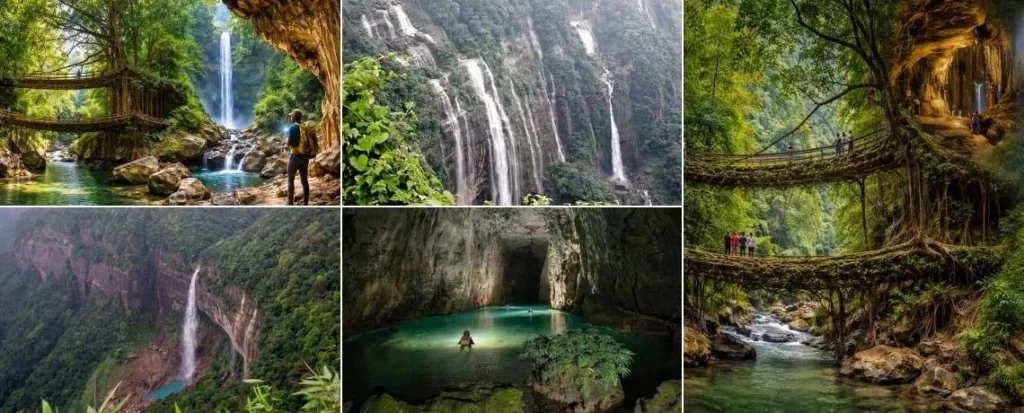
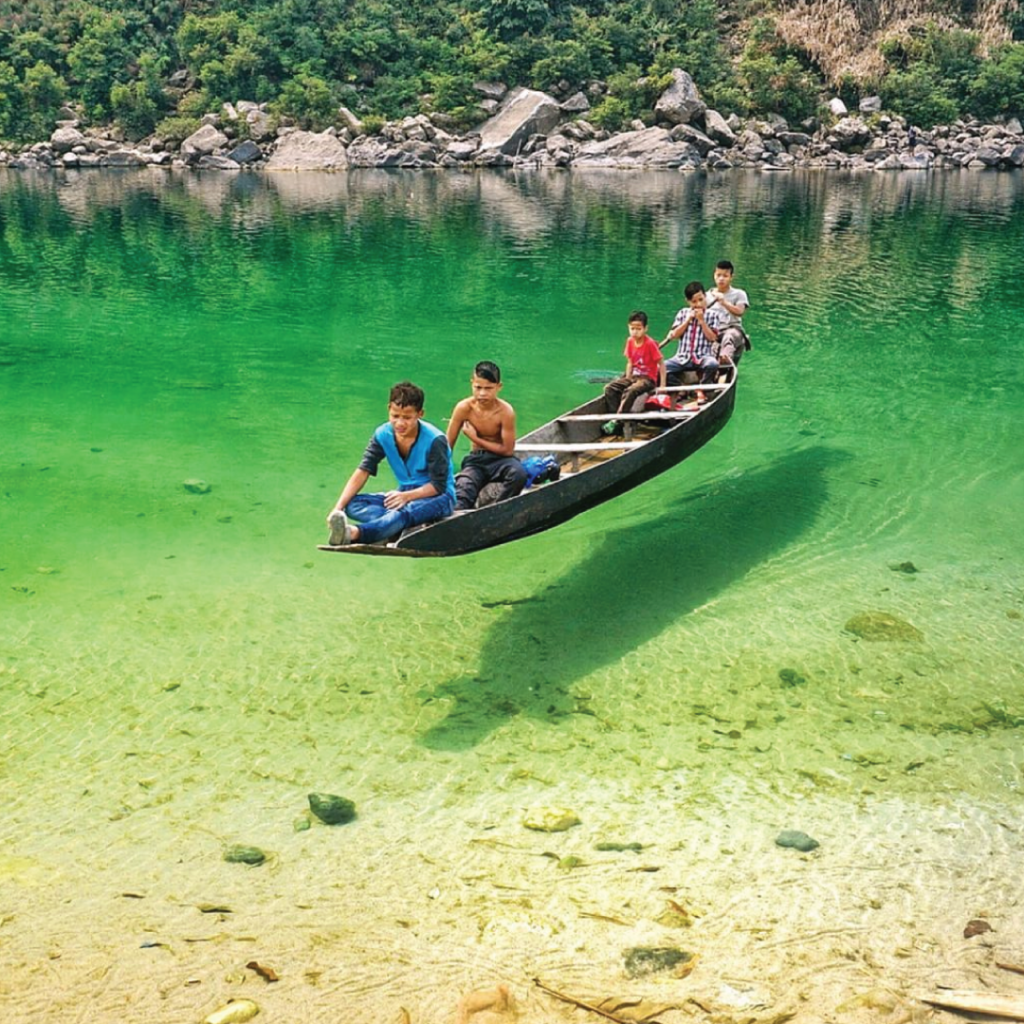
Planning a trip to Meghalaya and searching for the best Guwahati to Shillong taxi service? The journey from Guwahati to Shillong is more than just a transfer between two cities — it is the beginning of one of Northeast India’s most beautiful travel experiences. From winding hill roads and pine-covered valleys to breathtaking lakes and waterfalls, the route introduces travelers to the natural beauty that makes Meghalaya famous across India. Most tourists visiting Meghalaya prefer booking a private cab instead of depending on shared taxis or crowded buses. A comfortable taxi journey allows you to travel at your own pace, stop at scenic viewpoints, carry luggage comfortably, and enjoy the journey without stress. Whether you are traveling with family, planning a honeymoon, organizing a group tour, or simply exploring Meghalaya for the first time, a reliable cab service can completely transform your travel experience. Many travelers visiting Northeast India choose Shillong Travel Taxi for comfortable Meghalaya road trips, airport transfers, sightseeing tours, and customized travel planning across Shillong, Dawki, Cherrapunji, Kaziranga, and Arunachal Pradesh. Why the Journey from Guwahati to Shillong Feels So Special Unlike regular highway travel, the road from Guwahati to Shillong gradually changes from busy city roads into cool mountain landscapes filled with clouds, forests, and scenic viewpoints. The journey usually takes around 3 to 4 hours, depending on traffic and weather conditions, but most travelers never find the route boring. As the plains of Assam slowly disappear behind you, Meghalaya begins to reveal itself through rolling hills, misty weather, roadside tea stalls, and panoramic valley views. For many tourists, this road trip becomes one of the most memorable parts of their Meghalaya vacation. The flexibility of traveling in a private cab allows you to: Stop for photography Enjoy local food Explore hidden viewpoints Take breaks comfortably Travel safely with luggage Experience Meghalaya without rushing Travelers arriving at Guwahati Airport often prefer pre-booked airport taxi services to Shillong to avoid last-minute travel issues. Private Taxi vs Shared Cab — What Most Travelers Prefer Today One of the most common questions tourists ask before visiting Meghalaya is whether they should take a shared taxi or book a private cab. While shared taxis may look cheaper initially, they usually create several travel inconveniences, especially for families and tourists visiting Meghalaya for the first time. Problems with Shared Taxis Shared cabs often involve: Long waiting times Fixed departure schedules Overcrowded seating Limited luggage space No sightseeing stops Less comfort during hill travel After long flights or train journeys, many travelers find shared transport tiring and uncomfortable. Why Private Cabs Are Better for Meghalaya Travel A private taxi offers: Comfortable seating Flexible timing Better safety Scenic stopovers Personalized travel Easier hotel drop-offs Better experience for couples and families This becomes even more important if you are planning to continue beyond Shillong towards Dawki or Cherrapunji. Many travelers now prefer to book a private Meghalaya cab online before arriving in Guwahati, especially during peak tourist seasons. The First Place You Should Stop: Umiam Lake Around 15 kilometers before Shillong city, travelers are welcomed by one of Meghalaya’s most iconic attractions — Umiam Lake, also known as Barapani. The moment the lake appears between the hills, most tourists instantly stop for photographs. Surrounded by forests and rolling mountains, Umiam Lake offers: Stunning sunrise views Boating experiences Lakeside photography Scenic cafes Relaxing viewpoints This is one of the biggest advantages of hiring a private cab. You can stop whenever you want and enjoy the journey instead of rushing directly to Shillong. Shillong — The Heart of Meghalaya Tourism Shillong is not just a hill station. It is the central hub from where travelers explore the rest of Meghalaya. Known for its cool climate, pine forests, cafes, music culture, and scenic viewpoints, Shillong attracts tourists throughout the year. Popular places inside Shillong include: Ward’s Lake Shillong Peak Elephant Falls Police Bazaar Cathedral Church Laitlum Canyon Lady Hydari Park Tourists exploring the city usually prefer a dedicated Shillong sightseeing taxi service because local attractions are spread across different parts of the city. Cherrapunji: Meghalaya’s Most Famous Road Trip After Shillong, the next destination most travelers visit is Cherrapunji, locally known as Sohra. The drive from Shillong to Cherrapunji is considered one of the most scenic routes in Northeast India. The roads pass through clouds, waterfalls, valleys, and dramatic cliffs that completely change during monsoon season. Cherrapunji is famous for: Nohkalikai Falls Seven Sisters Falls Mawsmai Cave Arwah Cave Living Root Bridges Mist-covered valleys Nature lovers, photographers, honeymoon couples, and adventure travelers all include Cherrapunji in their Meghalaya itinerary. Travelers planning waterfall and cave tours often continue their journey with a Shillong to Cherrapunji cab service for a more comfortable experience. For longer trips, many tourists also explore customized Cherrapunji and Meghalaya tour packages covering multiple destinations together. Dawki and Shnongpdeng — The Crystal Clear River Experience No Meghalaya trip feels complete without visiting Dawki. Located near the India-Bangladesh border, Dawki became globally famous because of the crystal-clear Umngot River, where boats appear to float on transparent water. Nearby Shnongpdeng has also become a major attraction for: Riverside camping Kayaking Cliff jumping Boating Adventure tourism The road journey from Shillong to Dawki is filled with beautiful valleys and mountain roads, making it another unforgettable Meghalaya experience. Many travelers now combine Shillong, Cherrapunji, and Dawki in one complete Meghalaya circuit. You can explore: Shillong to Dawki taxi services Dawki sightseeing and tour packages Best Time to Visit Shillong and Meghalaya Meghalaya remains beautiful throughout the year, but each season offers a different experience. Summer (March to June) This is the best season for: Family vacations Sightseeing Comfortable weather Road trips Temperatures remain cool and pleasant compared to other Indian cities. Monsoon (July to September) Monsoon transforms Meghalaya into a green paradise. This is the best season for: Waterfalls Nature photography Cloud-covered valleys Scenic landscapes However, heavy rainfall may sometimes slow road travel. Winter (October to February) Winter is perfect for: Honeymoon trips Adventure travel Camping Christmas celebrations