7 Famous Caves of Meghalaya
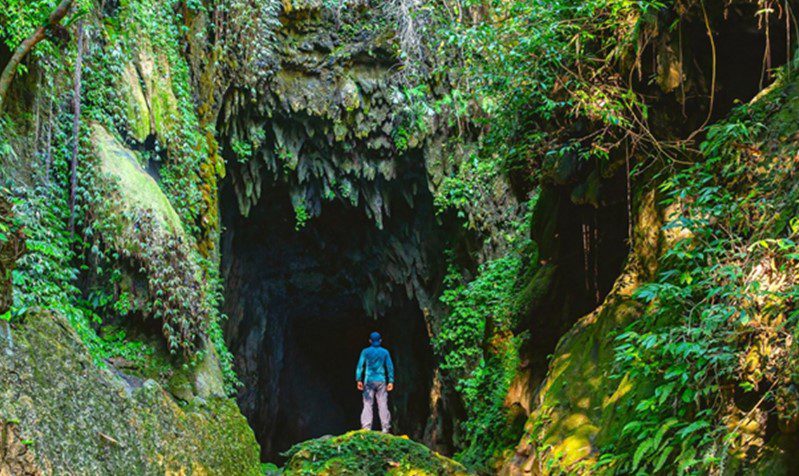
Meghalaya has a number of limestone caves in the Garo, the Jaintia and the Khasi hills which attract thousands of tourists across the year. The longest is Krem Liat Prah in the Jaintia Hills, which is 30,957 meters. The exploration of the Caves of Meghalaya is currently undertaken for both scientific and recreational pursuits and there are still many unexplored and partially explored caves in the state. The annual caving expeditions organized by Meghalaya Adventurers Association are known as “Caving in the Abode of the Clouds Project”. 7 Famous Caves to Visit in Meghalaya 1. Krem Mawkhyrdop or Krem Mawmluh Cave The main entrance of this famous cave is located at the bottom of the western flank of Lum Lawbah. The entrance is easily found by following the river behind the cement works of the Mawmluh Cherra Cements Limited, downstream for about 200 metres to a point where the river disappears underground. The main sink entrance requires wading through water, which in the dry season turns into a deadly black quicksand from the effluents of the cements works. The best option to enter the cave would be through a high level bypass entrance which runs parallel to the main passage. 2. Krem Dam Cave The impressive entrance of Krem Dam, measuring some 30 m across, lies at the foot of a large blind valley approximately 1 km to the east of Mawsynram village. A sizeable stream running down the valley enters the cave. The cave is formed in a coarse grained facies of limestone which almost looks like sandstone. The cave consists mainly of one very large river passage ending in a roof collapse where daylight can be seen. To the side of the main passage a complex maze of side passages and oxbows exist. The cave has no significant calcite formations. 3. Krem Lymput Cave The cave lies about 6 km. from the village of Nongjri. The inconspicuous entrance hidden in the jungle covered boulders reveals itself by the cool air it blows. It is another beautiful and rather easy cave for any tourist. From the small entrance hole, the main trunk passage runs for about 1 km with inclined walls and ceiling towards west into a passage known as ‘Way to Heaven,” which is a very loose and slippery climb. It leads into a series of spacious galleries which are very rich in calcite formations. Here, the great attraction is the Mughal Room (more than 25 m wide, 25 m high, and 75 m long). This cave is 6641m in length. 4. Mawsmai Cave Cave 6 kms from the Sohra market to the south lies the village of Mawsmai in the direction of Bangladesh border. At the village crossing, one passes grasslands surrounded by forests, ending in a clearing. From this clearing, a concrete pathway through the jungle leads up to the main cave entrance. This cave is the only cave that is fully lighted. The cave can be divided into two parts (old and new). Of the two, the new cave is yet to be lighted. It has impressive formations of large passages and chambers. 5. Krem Mawjymbuin Cave Half a kilometre before reaching Mawsynram village, a metalled road on the left leads to a parking area by the cave. The entrance chamber of some 50 metres across and 4 metres high at its centre, has a large stalactite over a female stalagmite which gives an impression of a Shiva Lingam. This cave has now become a sacred shrine for Hindu believers. A small stream flows under the left (east) wall of the chamber, around some large boulders before entering a side passage heading east which runs for about 40 m to end in a boulder collapse. A side passage leads to a second rift entrance, called Back Entrance which exits out through the rear. Another side passage at the rear of the chamber forms a series of small rift inlet passages that run north and then east for some 50 metres, before becoming too tight.
6 Tourist Destinations to visit in Cherrapunji
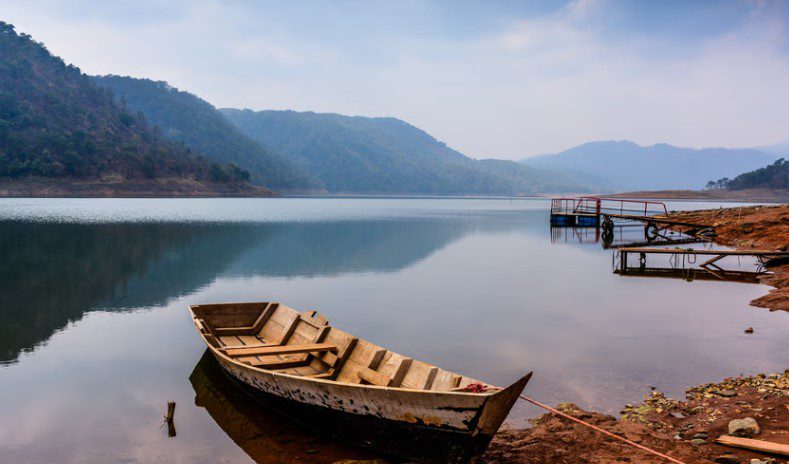
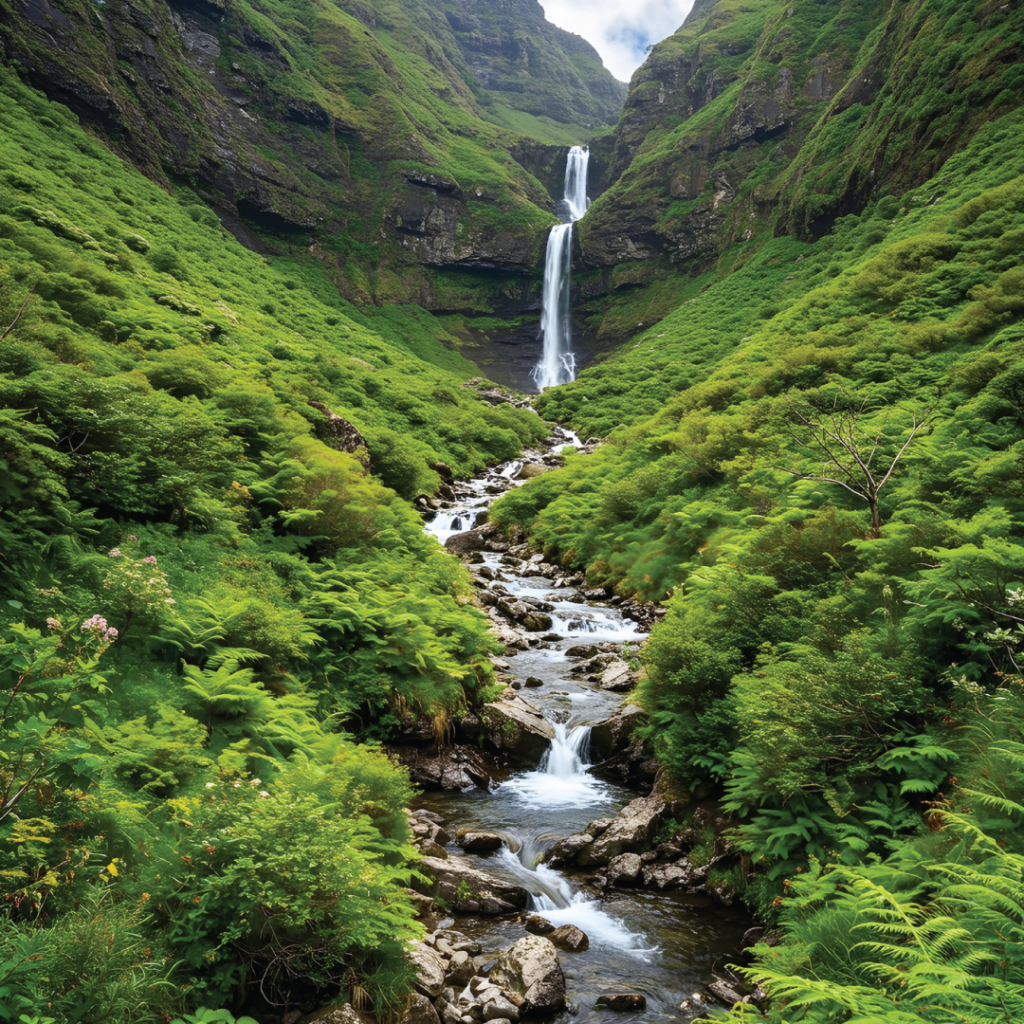
Cherrapunji located at an approx altitude of 4,500 feet is a popular tour destination for travelers visiting the state of Meghalaya. Cherapunji is also known as Sohra by the locals who lived there. Cherrapunji is one of the wettest places on Earth with lush green rain forests and valleys. Cherrapunji has often been credited as being the wettest place on Earth, but for now nearby Mawsynram currently holds that distinction. Cherrapunji still holds the all-time record for the most rainfall in a calendar month and in a year. 6 Tourist Destinations to visit in Cherrapunji 1. Wakaba Falls ( Tour Destinations Around Cherapunji / Sohra ) The red stone cliffs and greenary from the background of this water falls which is situated in the Khasi Hills of Cherrapunji and famous among tourists sightseeing the place. Tourists have to walk a short trek of about 400 feet to visit the Wakaba waterfalls which is a tiered waterfalls with captivating natural beauty around it. 2. Mawlynnong Village ( Tour Destinations Around Cherapunji / Sohra ) The village of Mawlynnong was awarded as Asia’s cleanest village but little do you know about the beauty it holds! The picturesque village of Mawlynnong near Cherrapunji promoted extensively by Cherrapunjee tourism is also known as ‘God’s own garden’. The village is managed completely by the villagers residing in it who toil hard to keep the place looking fresh and clean. All in all the cleanliness, and beauty of the Mawlynnong village makes you feel like you are in paradise. 3. Dainthlen Waterfall ( Tour Destinations Around Cherapunji / Sohra ) The Dainthlen Waterfalls is one of the most popular tourist places you can visit while in Cherrapunji. Tourists can see natural rock carvings near the waterfalls which narrate the story of a ‘thlen’ or a python which was killed at the top of the waterfalls in ancient times. Other than the legend, the Dainthlen water falls itself is filled with picturesque natural beauty. 4. Mawsmai Cave ( Tour Destinations Around Cherapunji / Sohra ) Around a distance of 6 kilometers from Cherapunji in the Jaintia Hills of Meghalaya, you can visit the Mawsmai cave which is the longest cave in India. The stalactites and stalagmites caves have innumerable forms, shapes and sizes inside leaving one to imagine as many life forms as possible. The Mawsmai Cave is among one of the most accessible caves in India and a must-visit places to visit while in Cherrapunji. The 150 m long cave is an ideal place for those of you who are interested in the magnificent world of caving. 5. Mawsmai Falls ( Tour Destinations Around Cherapunji / Sohra ) The Mawsmai Falls which is also known as the Nohsngithiang Falls or the Seven Sisters Waterfalls are a beautiful seven-segmented fall. The Mawsmai falls plunges over the top of limestone cliffs of the Khasi Hills only during the rainy season. In full spate, the segments stretch most of the way along the cliff. The waterfalls get illuminated by the sun and the vibrant colors of the setting sun on the waterfalls makes it beautiful. 6. Mawkdok Dympep Valley View The Mawkdok Dympep Valley View located at the beginning of the Sohra circuit is a compulsory stopover for tourists traveling to Cherrapunji. The viewpoint is a short walk down the road and offers endless panoramas of the verdant valley. It’s a breathtaking sight, especially in the monsoons when the clouds play hide and seek. The state forest department has made a view-point at this valley from where you can enjoy and appreciate the natural beauty the valleypresents to you. Tourists have to walk down a number of steps to reach the valley. We provide tourist cars to all these locations for tour and sightseeing purposes. Get in touch to book your Shillong and Meghalaya tourist cab with us and pay later.
5 Cool Tourist Destinations in Assam
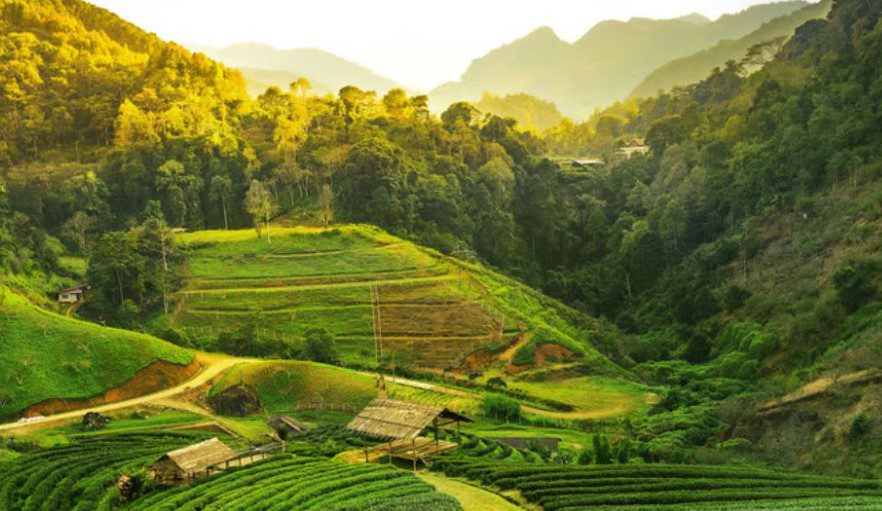
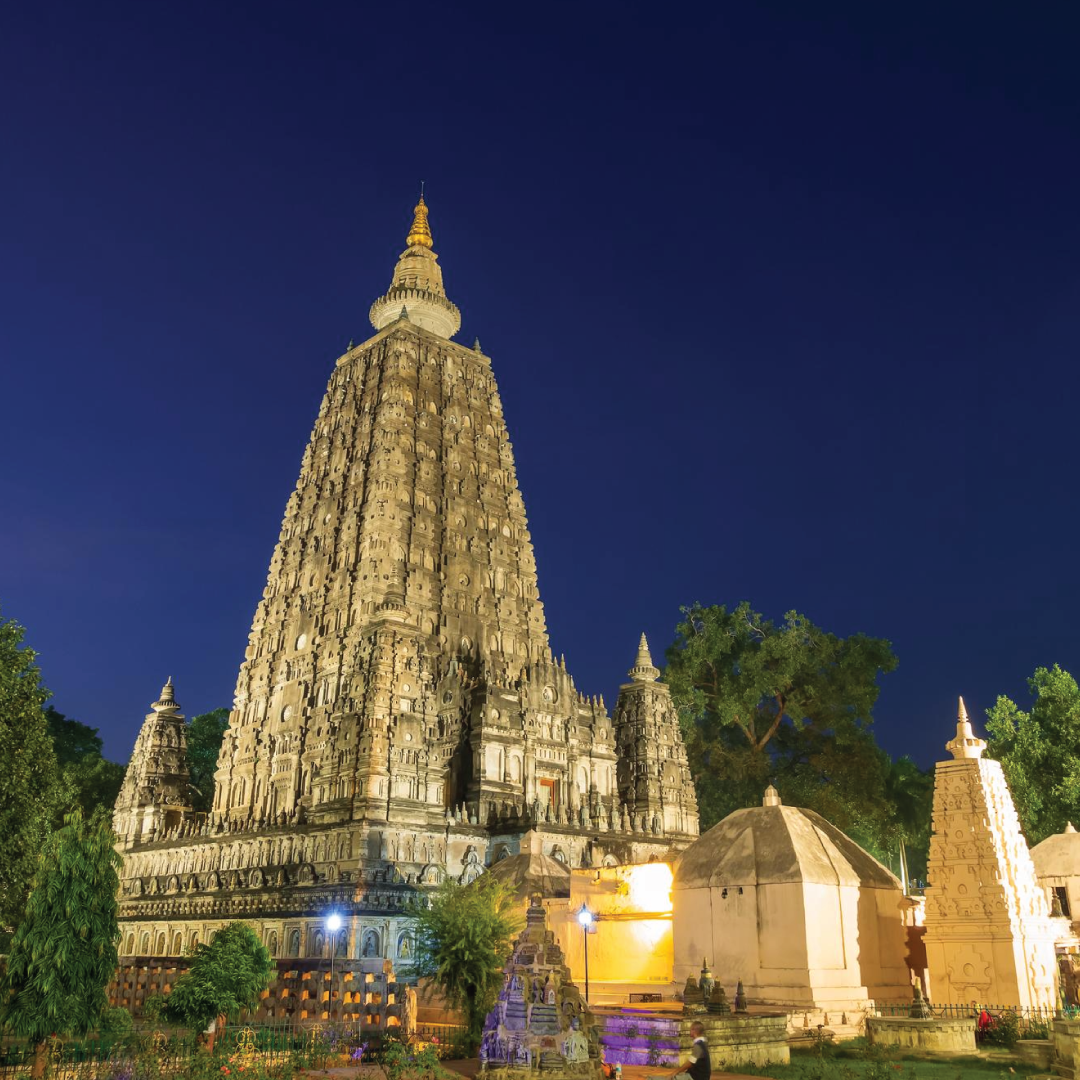
The state of Assam is situated on the foothills of the Himalayan range of mountains and the Meghalayan plateau. The state is particularly dominated by the presence of the Brahmaputra River, which acts as the factor of pristine beauty for this state. The countries of Bangladesh and Bhutan acts as its immediate neighbours. Guwahati also known as Pragjyotishpur or the Light of the East is the capital of Assam and acts as the gateway to the East. 5 Cool Tourist Destinations in Assam 1. The Cultural Capital of Assam – Jorhat City Also known as the Cultural Capital of Assam, Jorhat was the last capital of the Ahom Kingdom and thus has the last burial mounds of the empire. Tourists traveling to Jorhat can witness the largest Tea research station in the country. Jorhat is also known as the Tea Capital of India. The place is inhabited by people of different culture; thus every now and then the city is seen celebrating one festival or the other making it one of the most popular travel destinations in Assam. The most popular tour attractions of Jorhat include the Bangal Pukhuri, Thengal Manor, Burigosain Devalaya, Purnananda Buragohain Maidam, Bilvesvar Siva Temple, Magolu Khat, Dhekiakhowa Bornamghar and the Raja Maidam which lies on the south bank of River Tocklai on the northern side of Jorhat town is of the last Ahom king, Purandar Sinha, who expired on 1 October 1848. The present maidam was constructed to preserve the ashes of the last Ahom King Purandar Singha. 2. Sivasagar or the Ocean of Shiva Shivsagar means “the Ocean of Lord Shiva” and this place is one of the most popular tourist attractions in Assam. Sivasagar, formerly known as Rangpur, was the capital of the Ahom Kingdom from 1699 to 1788. The Ahoms ruled Assam for six centuries, until their kingdom fell to the Burmese in 1819 and their ruling class was all but wiped out. It is said that the original name of Sivasagar was ‘Kalansupar’ after the name of ‘Kalansu Gohain’ who resided in a village that originally existed in the place where currently the Sivasagar lake is located. 3. Barak Valley The Barak Valley is situated in the southern region of the Indian state of Assam. The main city of the valley is Silchar. The region is named after the Barak river. The whole of Barak Valley is a dreamland with undulating lush green hills, tea gardens, meandering rivers (Barak and Kushiara) and impeccable peace; it is indeed the best place for sightseeing tour in Assam. The main attractions of Barak Valley are Khaspur, Bhuban Temple, Salganga, Karimganj, Badarpur Fort, Hailakandi, Pirbadi, Siddeshwar Temple, Adi Kali Mandir and Kachakanti Temple. 4. Dibrugarh – The Tea Capital of Assam Dibrugarh also known as the tea city of Assam is situated in the Upper West region of Assam. An important tea trading centre and the authentic reflection of Assam, Dibrugarh has been quite a charmer all through the years. It is the gateway to the three tea-producing districts of Tinsukia, Dibrugarh, and Sivasagar. One has the opportunity to see the most turbulent face of Brahmaputra here. Dibrugarh is also known as Ti-Phao in Ahom Buranji which means Place of Heaven. 5. The River Islands of Majuli The beautiful scenic islands of Majuli is formed by the Brahmaputra river in the south and the Kherkutia Xuti, an anabranch of the Brahmaputra, joined by the Subansiri River in the north. Mājuli island is accessible by ferries from the city of Jorhat. It was formed due to course changes by the river Brahmaputra and its tributaries, mainly the Lohit. Mājuli is the abode of the Assamese neo-Vaishnavite culture. The place with its scenic greenaries and blue skies is also a birdwatcher’s paradise and the camera wielders are simply going to get hooked to this place. Holiday in Assam is incomplete without paying a visit to this impeccable destination. With almost no hotels, Majuli is a one of its kind place that you will visit in India. Homestays are the only option here, but during the stay one gets the chance to witness the lifestyle of the people of Majuli. The main occupation of the locals are agriculture, weaving, fishing, pottery and boat making.
4 Famous Wildlife Parks & Safaris in Assam
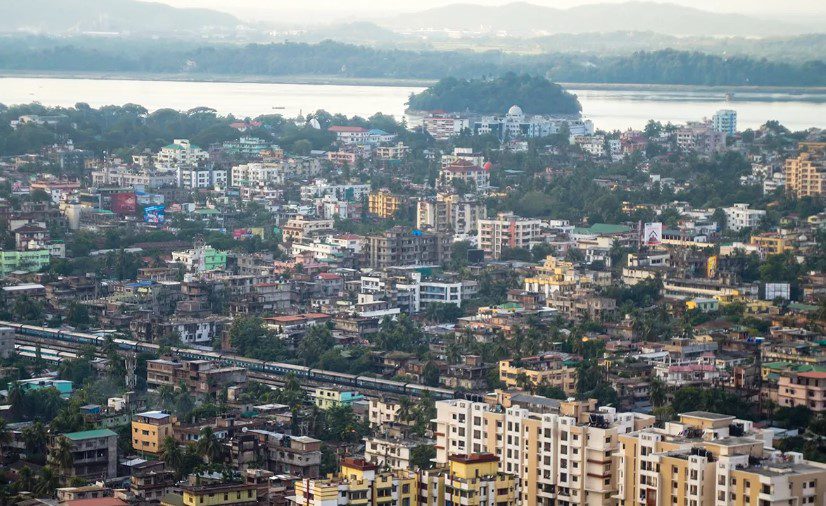
Assam is a state in northeastern India, situated south of the eastern Himalayas along the Brahmaputra and Barak River valleys. Guwahati a major tourist hub is the capital of Assam. The city of Guwahati is well connected with railways and air which is why most people first visit this place on their jurney to the northeast of India. The indigenous people traditionally include ethnic groups like Tai Ahom people, Tai Khamti people, Tai Turung people, Tai Aiton people, Tai Phake, Koch Rajbongshi, Misings, Karbi, Sonowal Kachari, Rabha, Biate, Chutia, Kalitas, Meitei, Keot (Kaibarta), Bodo Kachari, Tea tribes, Tiwa, Mech Kachari, Thengal-Kacharis, Sarania Kacharis, Deorii, Dimasa Kachari, Hmar, Doms/Nadiyals, Assamese Brahmins (including Ganaks), Assamese Muslims (particularly Syeds, Goria, Moria, Deshi communities), Assamese Sikhs,[11] and Assamese Christians speaking Assamese or any other tribal dialect of Assam as their mother tongue. Assam is known for Assam tea and Assam silk. The state has conserved the one-horned Indian rhinoceros from near extinction, along with the wild water buffalo, pygmy hog, tiger and various species of Asiatic birds, and provides one of the last wild habitats for the Asian elephant. The Assamese economy is aided by wildlife tourism to Kaziranga National Park and Manas National Park, which are World Heritage Sites. Sal tree forests are found in the state which, as a result of abundant rainfall, look green all year round. Assam receives more rainfall than most parts of India; this rain feeds the Brahmaputra River, whose tributaries and oxbow lakes provide the region with a hydro-geomorphic environment. 4 Famous Wildlife Parks You Must Visit in Assam 1. Kaziranga National Park Kaziranga National Park is undoubtedly the most fmaous national park in Assam located in the Golaghat and Nagaon districts. Kaziranga National Park hosts two-thirds of the world’s great one-horned rhinoceroses and is a World Heritage Site. 2. Manas National Park Manas National Park or Manas Wildlife Sanctuary is a national park, UNESCO Natural World Heritage site, a Project Tiger reserve, an elephant reserve and a biosphere reserve in Assam, India which is located in the Himalayan foothills. The name of the park is originated from the Manas River, which is named after the serpent goddess Manasa. The Manas river is a major tributary of Brahmaputra River, which passes through the heart of the national park. 3. Dibru-Saikhowa National Park Dibru-Saikhowa (Pron: ˈdɪbru: ˌsaɪˈkəʊwə) National Park is a national park in Assam, India. It is located in Dibrugarh and Tinsukia districts and was designated a Biosphere Reserve in July 1997 with an area of 765 km2. The forest of Dibru-Saikhowa consists of semi-evergreen forests, deciduous, littoral and swamp forests and patches of wet evergreen forests. Major tree species which can be seen here are tetrasperma, Dillenia indica, Bischofia javanica, Bombax ceiba, Lagerstroemia parviflora, Terminalia myriocarpa, Mesua ferrea, Dalbergia sissoo, and Ficus. Arundo donax, Imperata cylindrica, Phragmites karka, Saccharum ravennae are principal types of grasses in the national park. Around thirty five species of epiphytic orchids and 8 species of terrestrial orchid are recorded. Thirty six mammal species have been have been seen here including the elusive Bengal tiger, Indian leopard, clouded leopard, jungle cat, sloth bear, dhole, small Indian civet, Malayan giant squirrel, Chinese pangolin, Gangetic dolphin, slow loris, pig tailed macaque, Assamese macaque, rhesus macaque, capped langur, Hoolock gibbon, Asian elephant, wild boar, Sambar deer, hog deer, barking deer, Asiatic water buffalo,[citation needed] and feral horse. Two species of monitor lizard, eight turtle species and eight snake species have been recorded. Many tourists come to watch birds in this wildlife reserve such as the ferruginous pochard, Jerdon’s babbler, black-breasted parrotbill, marsh babbler, puff-throated babbler, Jerdon’s bushchat, rufous-rumped grassbird, chestnut-crowned bush warbler, Sarus crane, Bengal florican, spot-billed pelican, white-necked stork, black stork, black-necked stork, white-bellied heron, glossy ibis, fulvous whistling-duck, bar-headed goose, common shelduck, white-winged duck, spot-billed duck, Baer’s pochard, swamp francolin, Himalayan griffon, white-tailed eagle, Pallas’s fish-eagle, grey-headed fish eagle, greater spotted eagle, white-backed vulture, slender-billed vulture, lesser kestrel, brown fish owl, great pied hornbill, spotted redshank, spotted greenshank,[9] Indian cormorant, grey heron, purple heron, black-crowned night heron, yellow bittern, Asian openbill, greylag goose, northern pintail, osprey, crested serpent-eagle, white-winged wood duck, pale-capped pigeon. 4. Orang National Park The Orang National Park also known as Rajiv Gandhi Orang National Park is located on the north bank of the Brahmaputra River in the Darrang and Sonitpur districts of Assam, India, covers an area of 78.81 square kilometres. This park was established as a sanctuary in the year 1985 and declared a national park on 13 April 1999.The park has a rich flora and fauna, including great Indian one-horned rhinoceros, pygmy hog, elephants, wild buffalo and tigers. It is the only stronghold of rhinoceros on the north bank of the Brahmaputra river. Orang park contains significant breeding populations of several mammalian species. Apart from the great Indian one-horned rhinoceros, which is the dominant species of the national park, the other key species sharing the habitat are the royal Bengal tiger, Asiatic elephant, pygmy hog, hog deer and wild boar. We provide tourist cars to all these locations for tour and sightseeing purposes. Get in touch to book your Shillong and Meghalaya tourist cab with us and pay later.
All About the City of Guwahati in Assam
Welcome to the enchanting city of Guwahati, a vibrant destination that offers a perfect blend of natural beauty, cultural heritage, and adventure. Whether you are a nature enthusiast, history buff, or simply seeking a memorable travel experience, Guwahati has something to offer for everyone. Guwahati is renowned for its rich history and is considered the gateway to the northeastern region of India. As you embark on your tour of this captivating city, get ready to immerse yourself in its stunning landscapes and explore its fascinating attractions. Around the 13th century, Muslim conquerors began entering the Brahmaputra valley from the west regions while from the east, the Ahoms entered the present day Assam. The Muslim conquerors were pushed back but the Ahoms quickly won and created their own kingdom which later became an integral part of Assam. The Ahoms always had their capital in upper Assam (Eastern Assam) and at that time another indigenous kingdom called the Koch Kingdom also emerged covering lower Assam and North Bengal. Coochbehar was today the center of this kingdom and so Guwahati became a kind of border town between the two kingdoms. However, it remains a major pilgrimage site and a major river port. Besides being a major northeast attraction, Guwahati in Assam is a big tourist link center. Major cities in India connect with Guwahati via air or train, making it one of the top-visited destinations in Assam. Moreover, lakhs of pilgrims travel to Guwahati as it houses numerous ancient temples, especially during Ambubachi Mela every year. For tourists out there curious to visit Guwahati, here is a travel guide that will help you know about Guwahati. Guwahati is the birthplace of Kamadeva, the God of Love Kama, and thus, there is a magical aura that still lingers over the ever-expanding city. People say that the demon king Narakasura built this ancient place known as Guwahati today. Guwahati owes its mystical charm to the ancient ‘Kamrup.’ The town was once the British administration location after which it started to take its present form. In the year of 1824, the British took over the city from the Burmese and established their first station in Assam in the Nilachal Hills where the famous Kamakhya temple is located. Situated on the banks of the mighty river Brahmaputra, Guwahati is the junction of three important roads, National Highway 31, National Highway 37, and National Highway 40. It is split into two parts by the river, and North Guwahati is almost falls in a separate zone. One can visit North Guwahati via the Saraighat Bridge or the ferries on the river. Notable Festival celebrated of Guwahati The most important festival here is the Bohag Bihu, which marks the beginning of the Assamese New Year and falls around mid of April. Various local delicacies like pithas, larus, and other sweetmeats are available. All these preparations are vegetarian. The Durga Puja, celebrated in October, is another major festival. In June-July, the famous Ambubachi Mela at Kamakhya temple attracts thousands of pilgrims from all over the country. Guwahati has a humid subtropical climate, which offers an average annual temperature of 24°C with an extreme temperature known to have touched the 40°C mark. In addition, Guwahati has a good network of hills surrounding it, which further contributes to the subtropical topography of the region. Before your Guwahati travel, it is crucial to know about the best time to travel to Guwahati to plan your trip better. Take a look. One of the must-visit places in Guwahati is the Kamakhya Temple, an ancient Hindu temple perched atop Nilachal Hill. This sacred shrine attracts pilgrims from all over the country and offers breathtaking panoramic views of the city. Another iconic landmark is the Umananda Island, situated amidst the mighty Brahmaputra River. This picturesque island houses an ancient Shiva temple and provides a serene escape from the hustle and bustle of city life. To delve into Guwahati’s rich cultural heritage, explore places like Srimanta Sankardev Kalakshetra – a cultural institution showcasing Assamese art forms and traditions. Additionally, don’t miss out on experiencing traditional Assamese cuisine that will tantalize your taste buds with its unique flavors. Guwahati also offers ample opportunities for adventure enthusiasts. You can indulge in river cruises along the Brahmaputra River or take part in thrilling activities like trekking in nearby hills or exploring wildlife sanctuaries. In conclusion, Guwahati promises an unforgettable travel experience, where you can witness the beauty of nature, immerse yourself in rich cultural heritage, and embark on thrilling adventures. So pack your bags and get ready to explore this captivating city that has something for every traveler. Weather of Guwahati City Summer in Guwahati Summer in this northeastern city begins in April and lasts only until the following month. During this time, temperatures can reach up to 40°C, making the weather in Guwahati hot and making daytime city tours sweaty. Monsoon in Guwahati The monsoon season brings moderate rainfall to this city. It begins in June and continues until September. So, it will be a good few months to roam around and find out where Guwahati is. Winter in Guwahati Winter in Guwahati offers a comfortable atmosphere to tourists who want to explore its attractions. The cold spell begins in November and lasts till February. The temperature recorded in Guwahati during these months can drop up to 5°C, making this season the best time to visit Guwahati. How to reach Guwahati City Through Airways The city of Guwahati has Lokpriya Gopinath Bordoloi International Airport to handle all flights arriving into its territory on a daily basis. This airport is also known as Guwahati International Airport and connects major Indian cities such as Delhi, Mumbai, Kolkata and Bangalore to Guwahati. The airline also operates flights from international destinations such as Bangkok and Paro. Through Railway If you are reaching Guwahati by train, Guwahati Junction will be your final destination. It operates regular trains from different parts of India to Guwahati. Trains to Guwahati include Rajdhani Express, Northeast Express and Brahmaputra
Awesome Travel Hotpots near Cherrapunji Meghalaya
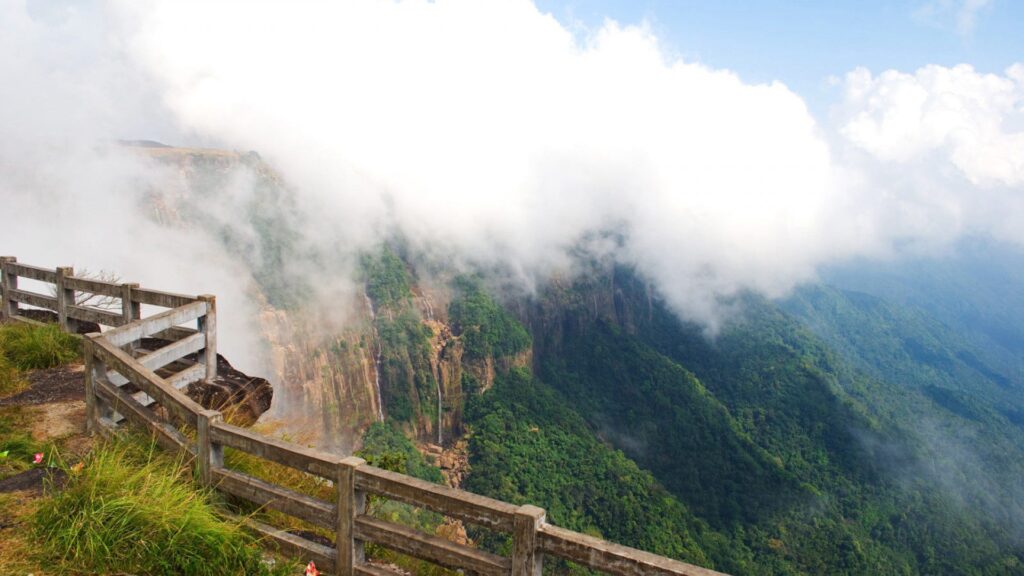
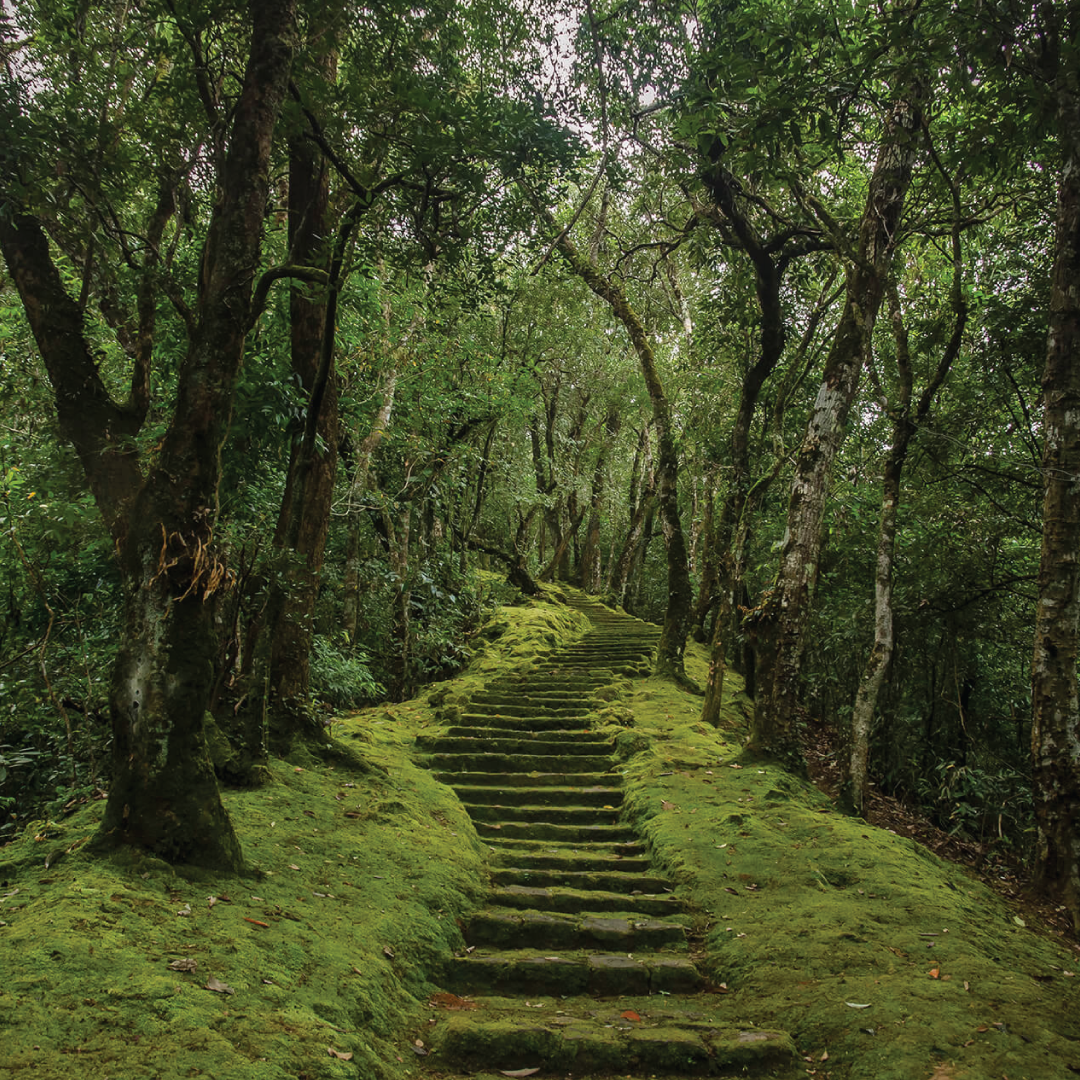
Cherrapunji is one such place that has seen influx of tourists to Meghalaya over the years. Also known as Sohra, this high altitude city is famous for its living bridges, magnificent waterfalls, deep caves, beautiful cliffs and also has the distinction of being the second rainiest place in India after Mawsynram. It is just 2-3 hours drive from Shillong, the capital of Meghalaya, and the roads are definitely a driver’s paradise. The nearest airport is located at Umroi, about 30 kilometers from Shillong and the nearest main railway station is at Guwahati. As a travel enthusiast, I would personally recommend anyone going to Cherrapunji to stay for at least 2 days to truly explore this paradise on earth. I am making the list of Cherrapunji tourist places that you must visit during your trip to this part of India. 1. The Famous Wei Sawdong Waterfall Imagine being in a fabled land, enjoying the music of nature, sitting by a heavenly waterfall and just being happy. Well, I am almost sure this waterfall would have looked very similar to Wei Sawdong. It is undoubtedly one of the most surreal waterfalls you’ll ever have photographs of. And the best part, this waterfall is a three-tiered cascade that surely takes your breath away. If this doesn’t excite you yet, I am almost convinced, the route to reach this waterfall surely will! You’ll have to put on your trekking shoes for a few minutes to reach Wei Sawdong but honestly, the trek will be worth every minute. So, what’s stopping you my friend? 2. Dainthlen Falls A scenic waterfall is the beautiful Dainthlen Falls that is located just about 5 kilometers from Sohra and happens to be one of the first spots that the tourists halt at. It is arguably one of the best places to relax and chill for sometime before entering the next destination in the Google Maps. The views are both illustrious and enthralling, and you won’t have second thoughts on spending some more time here. During the monsoons, the flow of the waterfalls surges a lot and by no means it’s a sight to miss! There is also a small yet interesting legend associated with this waterfall. I think the legend would be more interesting to ‘hear’ from the locals there than to ‘read’ here, so, let it remain a mystery till then! Okay? 3. Double Decker Living Root Bridge Now comes the big name on this list; the famed Double Decker Root Bridge of Sohra! Let me take a wild guess, isn’t this one of the several names and reasons why you signed up for a trip to Meghalaya? Isn’t this one of the top names in your Meghalaya bucket list? Well, well, we know it just right. Living Root Bridges in Meghalaya are a major hit and big pride of this part of the world. It’s undoubtedly a wonder of nature and amuses both the biologist and the tourist despite having some human touches of the locals to it. To reach this, you should again put on your trekking boots as it’s almost a 3-4 hour trek from Tyrna village (12 kilometers from Sohra) to Nogriat Village and then finally to the Double Decker Root Bridge. You can also choose to stay at the many beautiful homestays in Nongriat. The whole trek to the Double Decker Living Root Bridge will be worth every minute. Make sure you carry your raincoats as well to dodge the frequent rainfalls there.