4 Famous Wildlife Parks & Safaris in Assam
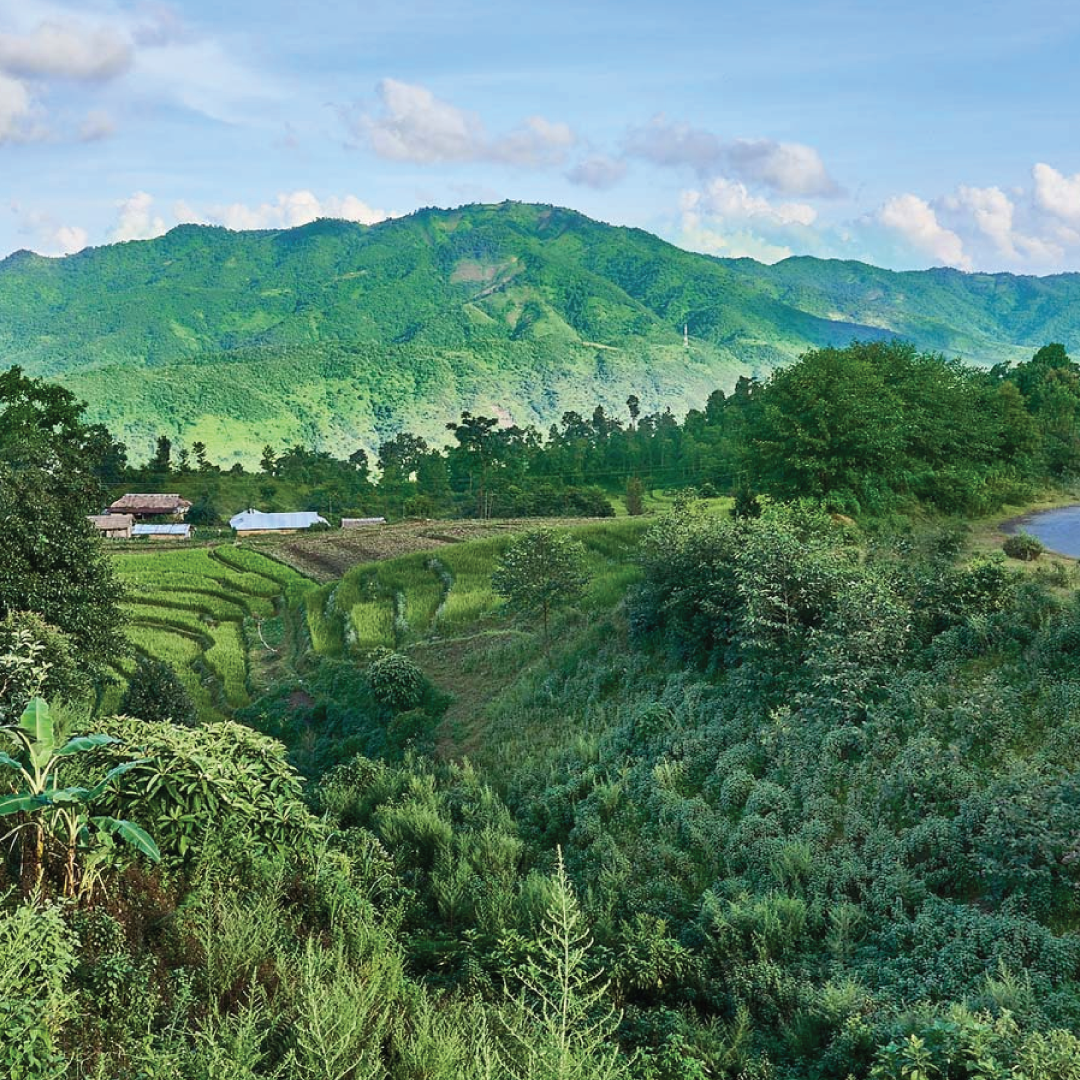
Assam is a state in northeastern India, situated south of the eastern Himalayas along the Brahmaputra and Barak River valleys. Guwahati a major tourist hub is the capital of Assam. The city of Guwahati is well connected with railways and air which is why most people first visit this place on their jurney to the northeast of India. The indigenous people traditionally include ethnic groups like Tai Ahom people, Tai Khamti people, Tai Turung people, Tai Aiton people, Tai Phake, Koch Rajbongshi, Misings, Karbi, Sonowal Kachari, Rabha, Biate, Chutia, Kalitas, Meitei, Keot (Kaibarta), Bodo Kachari, Tea tribes, Tiwa, Mech Kachari, Thengal-Kacharis, Sarania Kacharis, Deorii, Dimasa Kachari, Hmar, Doms/Nadiyals, Assamese Brahmins (including Ganaks), Assamese Muslims (particularly Syeds, Goria, Moria, Deshi communities), Assamese Sikhs,[11] and Assamese Christians speaking Assamese or any other tribal dialect of Assam as their mother tongue. Assam is known for Assam tea and Assam silk. The state has conserved the one-horned Indian rhinoceros from near extinction, along with the wild water buffalo, pygmy hog, tiger and various species of Asiatic birds, and provides one of the last wild habitats for the Asian elephant. The Assamese economy is aided by wildlife tourism to Kaziranga National Park and Manas National Park, which are World Heritage Sites. Sal tree forests are found in the state which, as a result of abundant rainfall, look green all year round. Assam receives more rainfall than most parts of India; this rain feeds the Brahmaputra River, whose tributaries and oxbow lakes provide the region with a hydro-geomorphic environment. 4 Famous Wildlife Parks You Must Visit in Assam 1. Kaziranga National Park Kaziranga National Park is undoubtedly the most fmaous national park in Assam located in the Golaghat and Nagaon districts. Kaziranga National Park hosts two-thirds of the world’s great one-horned rhinoceroses and is a World Heritage Site. 2. Manas National Park Manas National Park or Manas Wildlife Sanctuary is a national park, UNESCO Natural World Heritage site, a Project Tiger reserve, an elephant reserve and a biosphere reserve in Assam, India which is located in the Himalayan foothills. The name of the park is originated from the Manas River, which is named after the serpent goddess Manasa. The Manas river is a major tributary of Brahmaputra River, which passes through the heart of the national park. 3. Dibru-Saikhowa National Park Dibru-Saikhowa (Pron: ˈdɪbru: ˌsaɪˈkəʊwə) National Park is a national park in Assam, India. It is located in Dibrugarh and Tinsukia districts and was designated a Biosphere Reserve in July 1997 with an area of 765 km2. The forest of Dibru-Saikhowa consists of semi-evergreen forests, deciduous, littoral and swamp forests and patches of wet evergreen forests. Major tree species which can be seen here are tetrasperma, Dillenia indica, Bischofia javanica, Bombax ceiba, Lagerstroemia parviflora, Terminalia myriocarpa, Mesua ferrea, Dalbergia sissoo, and Ficus. Arundo donax, Imperata cylindrica, Phragmites karka, Saccharum ravennae are principal types of grasses in the national park. Around thirty five species of epiphytic orchids and 8 species of terrestrial orchid are recorded. Thirty six mammal species have been have been seen here including the elusive Bengal tiger, Indian leopard, clouded leopard, jungle cat, sloth bear, dhole, small Indian civet, Malayan giant squirrel, Chinese pangolin, Gangetic dolphin, slow loris, pig tailed macaque, Assamese macaque, rhesus macaque, capped langur, Hoolock gibbon, Asian elephant, wild boar, Sambar deer, hog deer, barking deer, Asiatic water buffalo,[citation needed] and feral horse. Two species of monitor lizard, eight turtle species and eight snake species have been recorded. Many tourists come to watch birds in this wildlife reserve such as the ferruginous pochard, Jerdon’s babbler, black-breasted parrotbill, marsh babbler, puff-throated babbler, Jerdon’s bushchat, rufous-rumped grassbird, chestnut-crowned bush warbler, Sarus crane, Bengal florican, spot-billed pelican, white-necked stork, black stork, black-necked stork, white-bellied heron, glossy ibis, fulvous whistling-duck, bar-headed goose, common shelduck, white-winged duck, spot-billed duck, Baer’s pochard, swamp francolin, Himalayan griffon, white-tailed eagle, Pallas’s fish-eagle, grey-headed fish eagle, greater spotted eagle, white-backed vulture, slender-billed vulture, lesser kestrel, brown fish owl, great pied hornbill, spotted redshank, spotted greenshank,[9] Indian cormorant, grey heron, purple heron, black-crowned night heron, yellow bittern, Asian openbill, greylag goose, northern pintail, osprey, crested serpent-eagle, white-winged wood duck, pale-capped pigeon. 4. Orang National Park The Orang National Park also known as Rajiv Gandhi Orang National Park is located on the north bank of the Brahmaputra River in the Darrang and Sonitpur districts of Assam, India, covers an area of 78.81 square kilometres. This park was established as a sanctuary in the year 1985 and declared a national park on 13 April 1999.The park has a rich flora and fauna, including great Indian one-horned rhinoceros, pygmy hog, elephants, wild buffalo and tigers. It is the only stronghold of rhinoceros on the north bank of the Brahmaputra river. Orang park contains significant breeding populations of several mammalian species. Apart from the great Indian one-horned rhinoceros, which is the dominant species of the national park, the other key species sharing the habitat are the royal Bengal tiger, Asiatic elephant, pygmy hog, hog deer and wild boar. We provide tourist cars to all these locations for tour and sightseeing purposes. Get in touch to book your Shillong and Meghalaya tourist cab with us and pay later.
All About the City of Guwahati in Assam
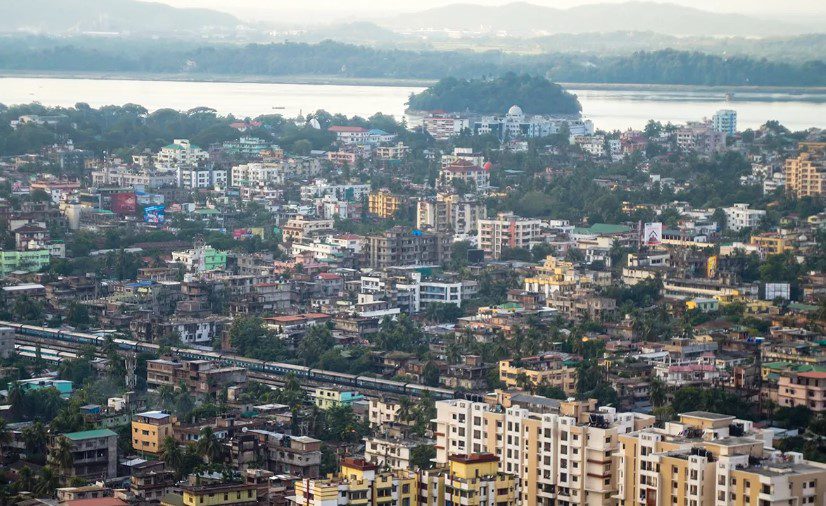
Welcome to the enchanting city of Guwahati, a vibrant destination that offers a perfect blend of natural beauty, cultural heritage, and adventure. Whether you are a nature enthusiast, history buff, or simply seeking a memorable travel experience, Guwahati has something to offer for everyone. Guwahati is renowned for its rich history and is considered the gateway to the northeastern region of India. As you embark on your tour of this captivating city, get ready to immerse yourself in its stunning landscapes and explore its fascinating attractions. Around the 13th century, Muslim conquerors began entering the Brahmaputra valley from the west regions while from the east, the Ahoms entered the present day Assam. The Muslim conquerors were pushed back but the Ahoms quickly won and created their own kingdom which later became an integral part of Assam. The Ahoms always had their capital in upper Assam (Eastern Assam) and at that time another indigenous kingdom called the Koch Kingdom also emerged covering lower Assam and North Bengal. Coochbehar was today the center of this kingdom and so Guwahati became a kind of border town between the two kingdoms. However, it remains a major pilgrimage site and a major river port. Besides being a major northeast attraction, Guwahati in Assam is a big tourist link center. Major cities in India connect with Guwahati via air or train, making it one of the top-visited destinations in Assam. Moreover, lakhs of pilgrims travel to Guwahati as it houses numerous ancient temples, especially during Ambubachi Mela every year. For tourists out there curious to visit Guwahati, here is a travel guide that will help you know about Guwahati. Guwahati is the birthplace of Kamadeva, the God of Love Kama, and thus, there is a magical aura that still lingers over the ever-expanding city. People say that the demon king Narakasura built this ancient place known as Guwahati today. Guwahati owes its mystical charm to the ancient ‘Kamrup.’ The town was once the British administration location after which it started to take its present form. In the year of 1824, the British took over the city from the Burmese and established their first station in Assam in the Nilachal Hills where the famous Kamakhya temple is located. Situated on the banks of the mighty river Brahmaputra, Guwahati is the junction of three important roads, National Highway 31, National Highway 37, and National Highway 40. It is split into two parts by the river, and North Guwahati is almost falls in a separate zone. One can visit North Guwahati via the Saraighat Bridge or the ferries on the river. Notable Festival celebrated of Guwahati The most important festival here is the Bohag Bihu, which marks the beginning of the Assamese New Year and falls around mid of April. Various local delicacies like pithas, larus, and other sweetmeats are available. All these preparations are vegetarian. The Durga Puja, celebrated in October, is another major festival. In June-July, the famous Ambubachi Mela at Kamakhya temple attracts thousands of pilgrims from all over the country. Guwahati has a humid subtropical climate, which offers an average annual temperature of 24°C with an extreme temperature known to have touched the 40°C mark. In addition, Guwahati has a good network of hills surrounding it, which further contributes to the subtropical topography of the region. Before your Guwahati travel, it is crucial to know about the best time to travel to Guwahati to plan your trip better. Take a look. One of the must-visit places in Guwahati is the Kamakhya Temple, an ancient Hindu temple perched atop Nilachal Hill. This sacred shrine attracts pilgrims from all over the country and offers breathtaking panoramic views of the city. Another iconic landmark is the Umananda Island, situated amidst the mighty Brahmaputra River. This picturesque island houses an ancient Shiva temple and provides a serene escape from the hustle and bustle of city life. To delve into Guwahati’s rich cultural heritage, explore places like Srimanta Sankardev Kalakshetra – a cultural institution showcasing Assamese art forms and traditions. Additionally, don’t miss out on experiencing traditional Assamese cuisine that will tantalize your taste buds with its unique flavors. Guwahati also offers ample opportunities for adventure enthusiasts. You can indulge in river cruises along the Brahmaputra River or take part in thrilling activities like trekking in nearby hills or exploring wildlife sanctuaries. In conclusion, Guwahati promises an unforgettable travel experience, where you can witness the beauty of nature, immerse yourself in rich cultural heritage, and embark on thrilling adventures. So pack your bags and get ready to explore this captivating city that has something for every traveler. Weather of Guwahati City Summer in Guwahati Summer in this northeastern city begins in April and lasts only until the following month. During this time, temperatures can reach up to 40°C, making the weather in Guwahati hot and making daytime city tours sweaty. Monsoon in Guwahati The monsoon season brings moderate rainfall to this city. It begins in June and continues until September. So, it will be a good few months to roam around and find out where Guwahati is. Winter in Guwahati Winter in Guwahati offers a comfortable atmosphere to tourists who want to explore its attractions. The cold spell begins in November and lasts till February. The temperature recorded in Guwahati during these months can drop up to 5°C, making this season the best time to visit Guwahati. How to reach Guwahati City Through Airways The city of Guwahati has Lokpriya Gopinath Bordoloi International Airport to handle all flights arriving into its territory on a daily basis. This airport is also known as Guwahati International Airport and connects major Indian cities such as Delhi, Mumbai, Kolkata and Bangalore to Guwahati. The airline also operates flights from international destinations such as Bangkok and Paro. Through Railway If you are reaching Guwahati by train, Guwahati Junction will be your final destination. It operates regular trains from different parts of India to Guwahati. Trains to Guwahati include Rajdhani Express, Northeast Express and Brahmaputra
Awesome Travel Hotpots near Cherrapunji Meghalaya
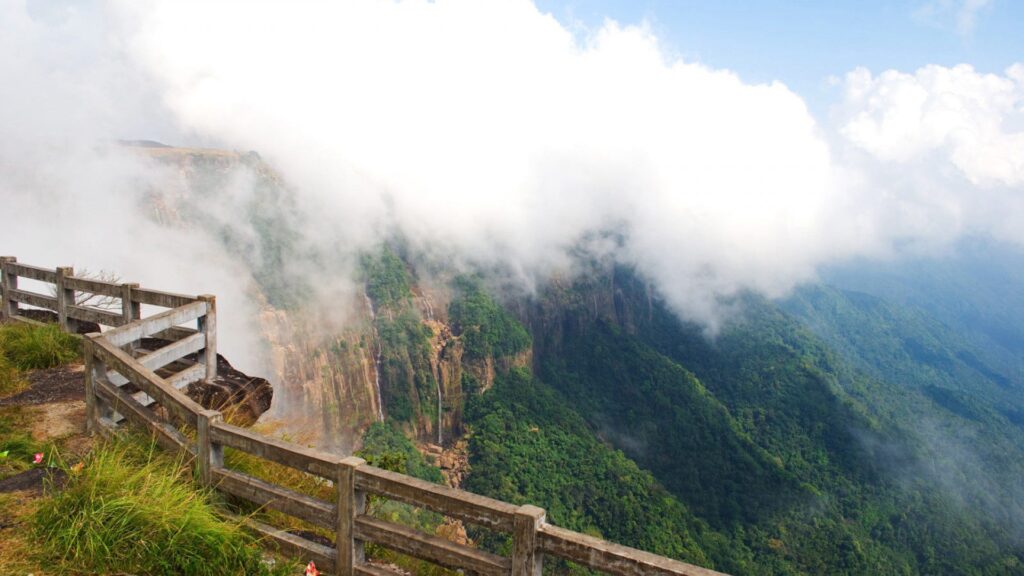
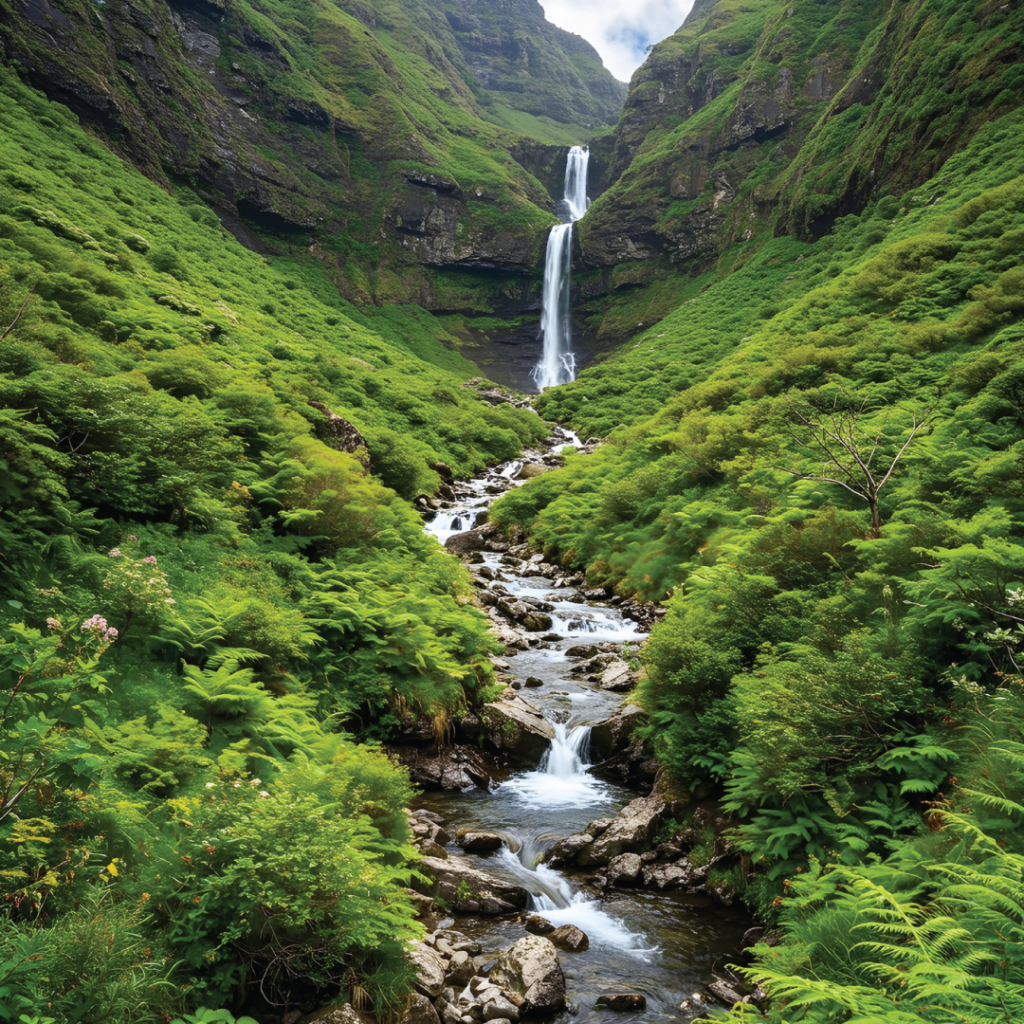
Cherrapunji is one such place that has seen influx of tourists to Meghalaya over the years. Also known as Sohra, this high altitude city is famous for its living bridges, magnificent waterfalls, deep caves, beautiful cliffs and also has the distinction of being the second rainiest place in India after Mawsynram. It is just 2-3 hours drive from Shillong, the capital of Meghalaya, and the roads are definitely a driver’s paradise. The nearest airport is located at Umroi, about 30 kilometers from Shillong and the nearest main railway station is at Guwahati. As a travel enthusiast, I would personally recommend anyone going to Cherrapunji to stay for at least 2 days to truly explore this paradise on earth. I am making the list of Cherrapunji tourist places that you must visit during your trip to this part of India. 1. The Famous Wei Sawdong Waterfall Imagine being in a fabled land, enjoying the music of nature, sitting by a heavenly waterfall and just being happy. Well, I am almost sure this waterfall would have looked very similar to Wei Sawdong. It is undoubtedly one of the most surreal waterfalls you’ll ever have photographs of. And the best part, this waterfall is a three-tiered cascade that surely takes your breath away. If this doesn’t excite you yet, I am almost convinced, the route to reach this waterfall surely will! You’ll have to put on your trekking shoes for a few minutes to reach Wei Sawdong but honestly, the trek will be worth every minute. So, what’s stopping you my friend? 2. Dainthlen Falls A scenic waterfall is the beautiful Dainthlen Falls that is located just about 5 kilometers from Sohra and happens to be one of the first spots that the tourists halt at. It is arguably one of the best places to relax and chill for sometime before entering the next destination in the Google Maps. The views are both illustrious and enthralling, and you won’t have second thoughts on spending some more time here. During the monsoons, the flow of the waterfalls surges a lot and by no means it’s a sight to miss! There is also a small yet interesting legend associated with this waterfall. I think the legend would be more interesting to ‘hear’ from the locals there than to ‘read’ here, so, let it remain a mystery till then! Okay? 3. Double Decker Living Root Bridge Now comes the big name on this list; the famed Double Decker Root Bridge of Sohra! Let me take a wild guess, isn’t this one of the several names and reasons why you signed up for a trip to Meghalaya? Isn’t this one of the top names in your Meghalaya bucket list? Well, well, we know it just right. Living Root Bridges in Meghalaya are a major hit and big pride of this part of the world. It’s undoubtedly a wonder of nature and amuses both the biologist and the tourist despite having some human touches of the locals to it. To reach this, you should again put on your trekking boots as it’s almost a 3-4 hour trek from Tyrna village (12 kilometers from Sohra) to Nogriat Village and then finally to the Double Decker Root Bridge. You can also choose to stay at the many beautiful homestays in Nongriat. The whole trek to the Double Decker Living Root Bridge will be worth every minute. Make sure you carry your raincoats as well to dodge the frequent rainfalls there.