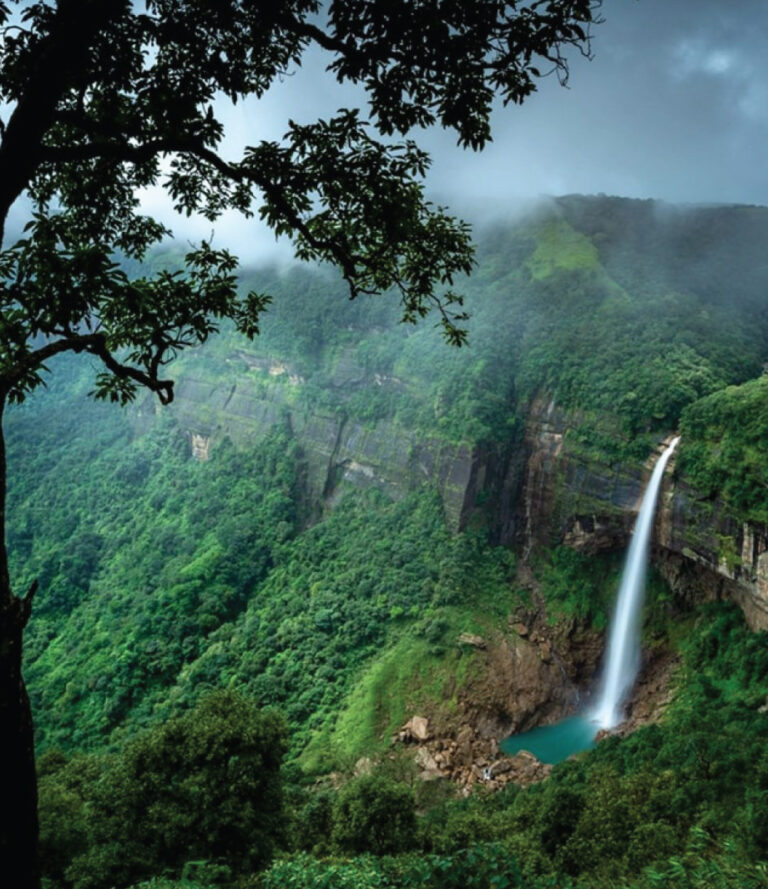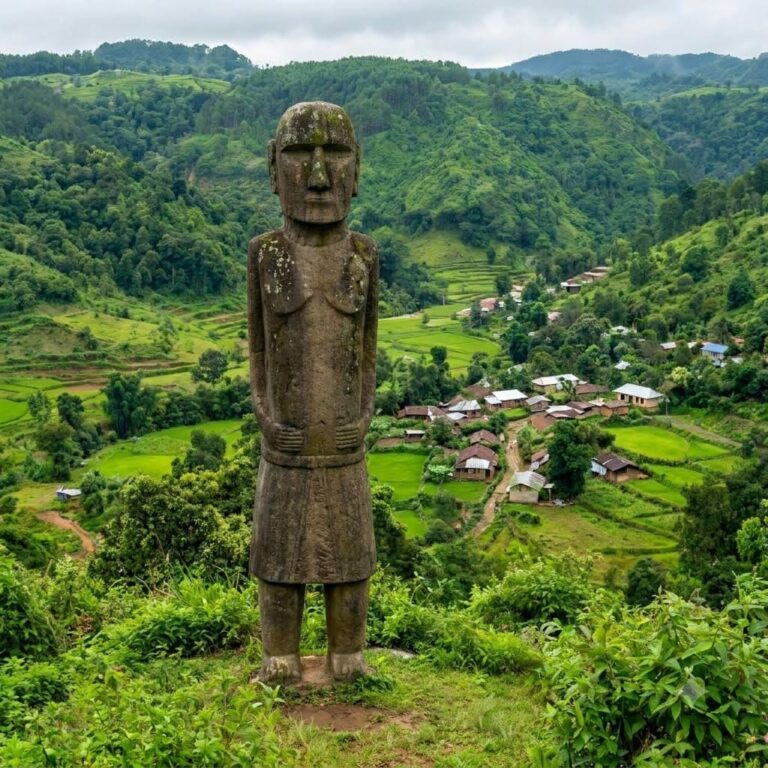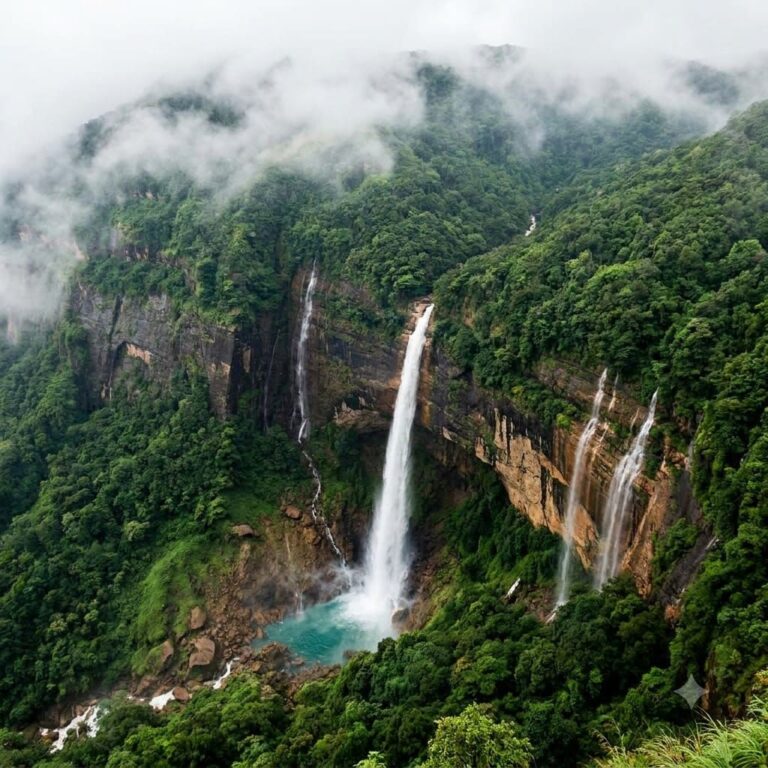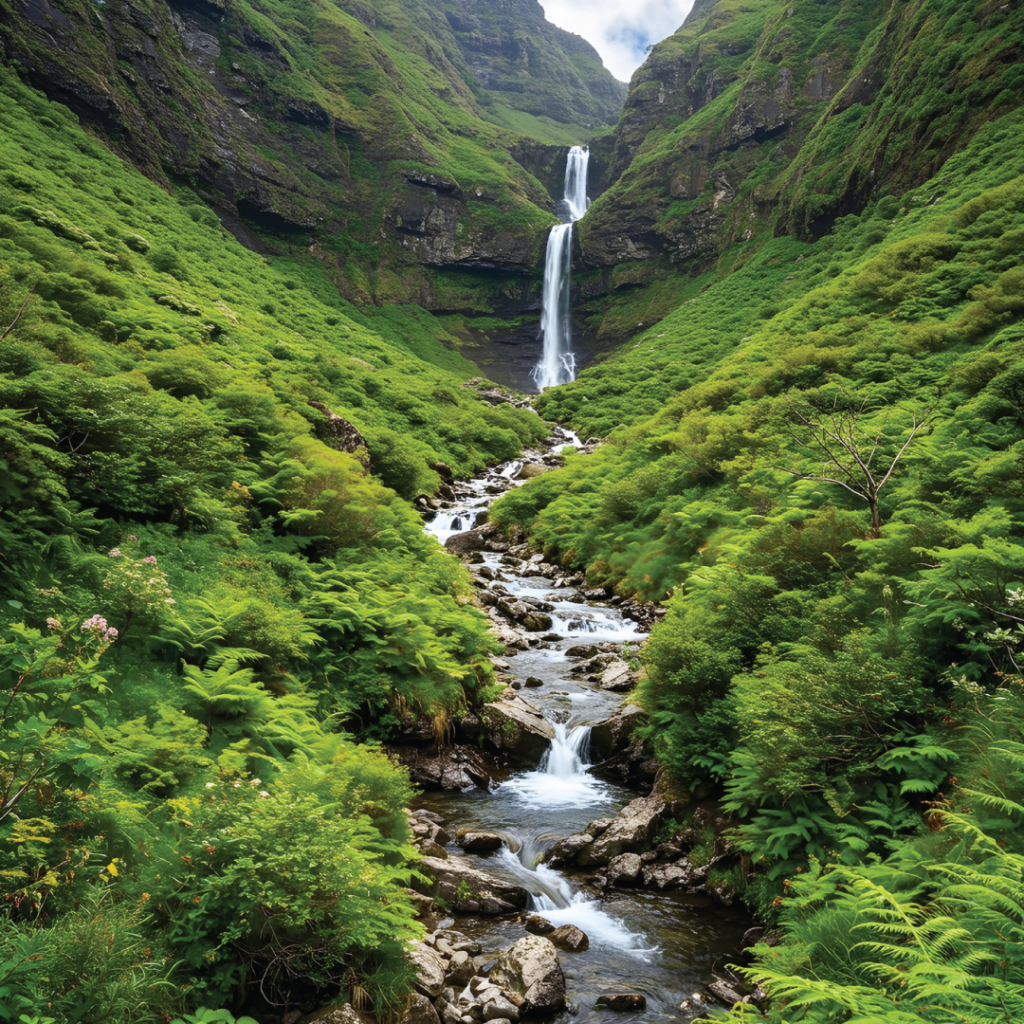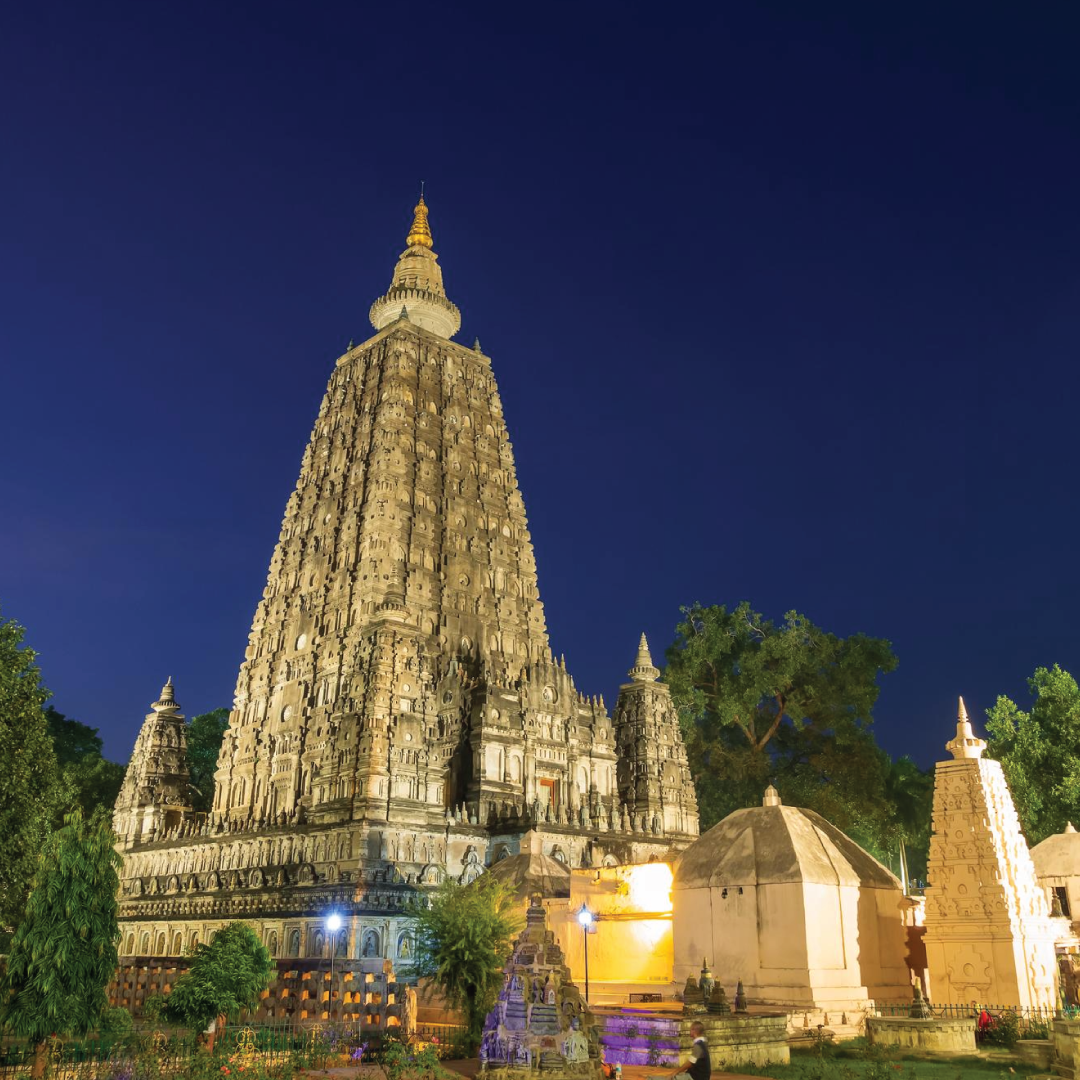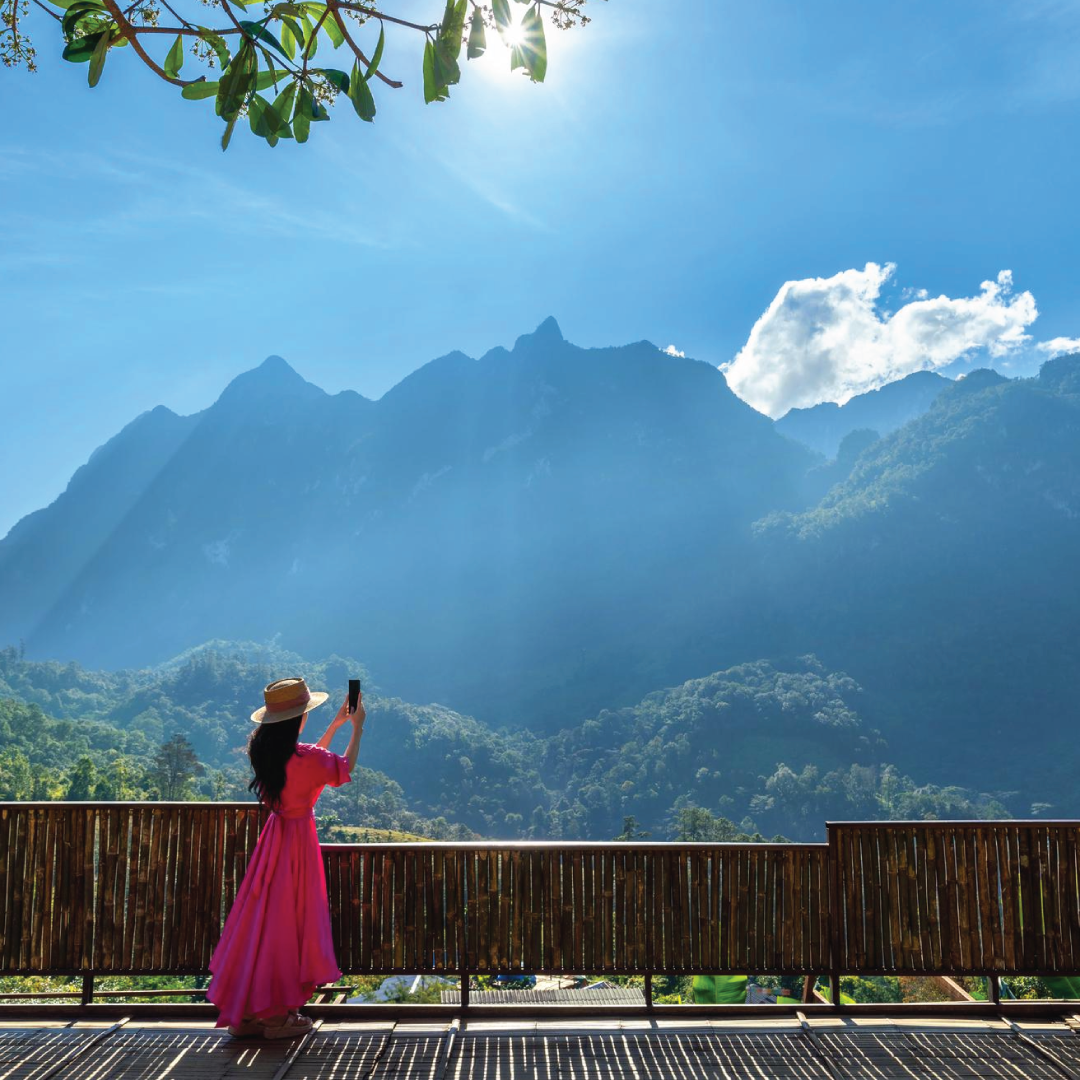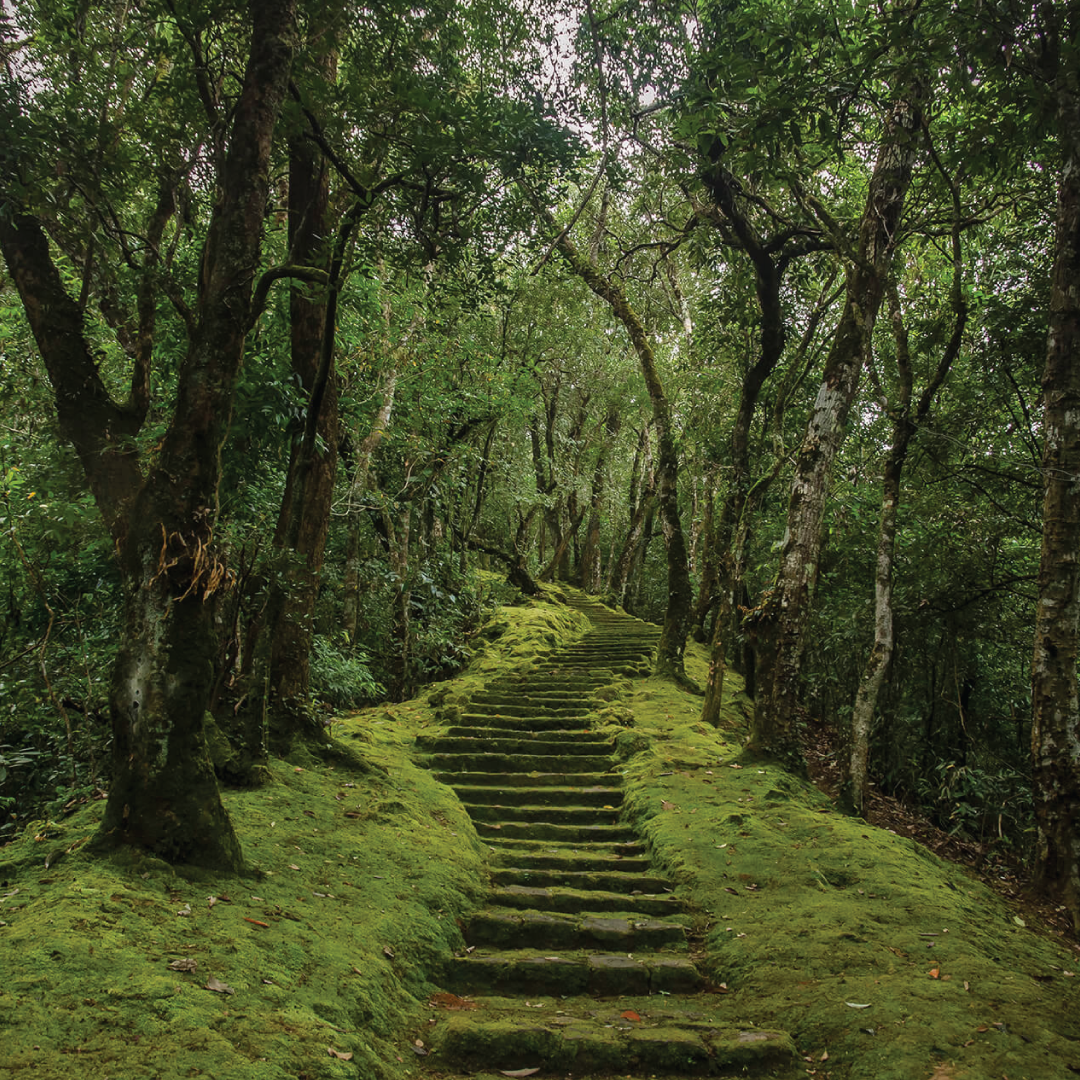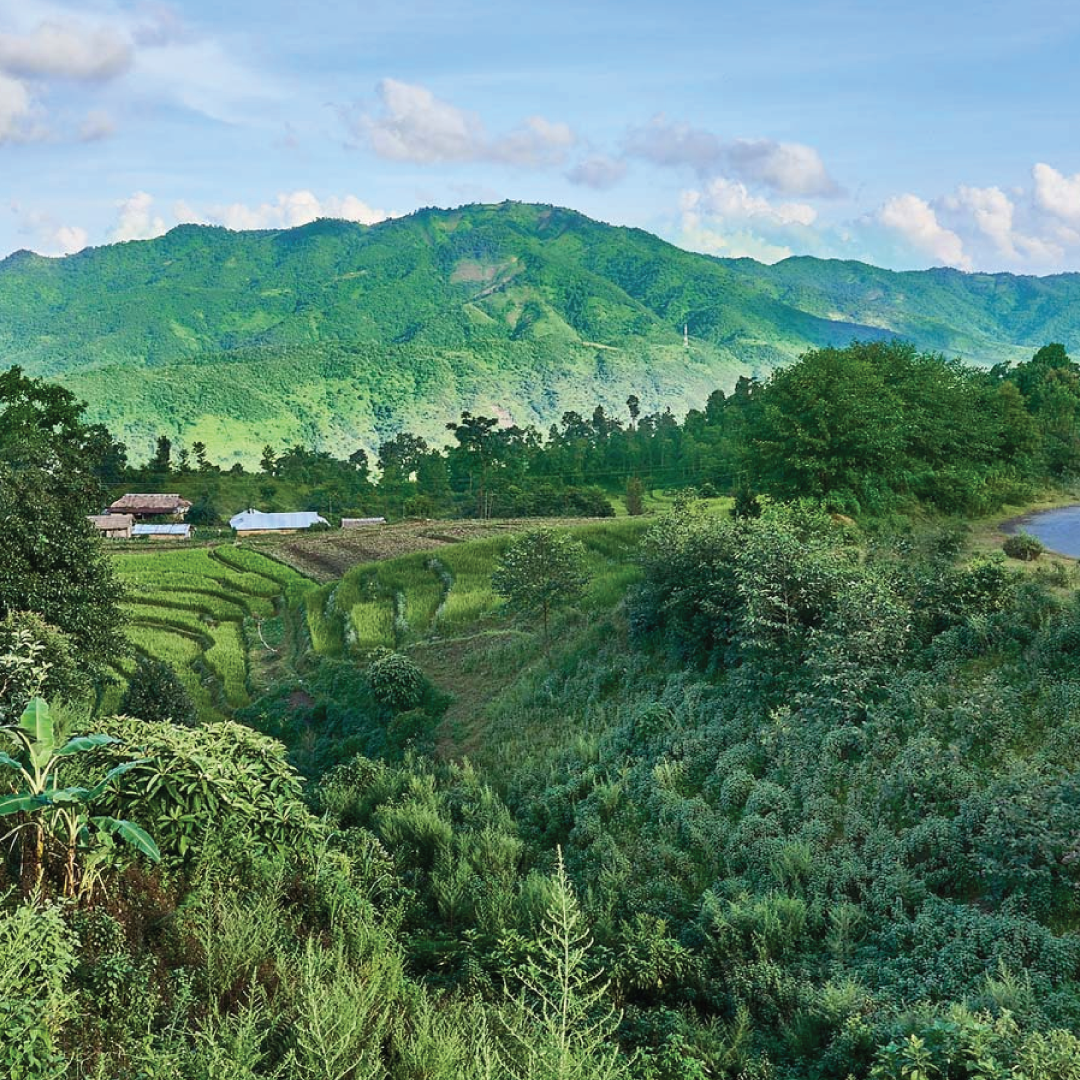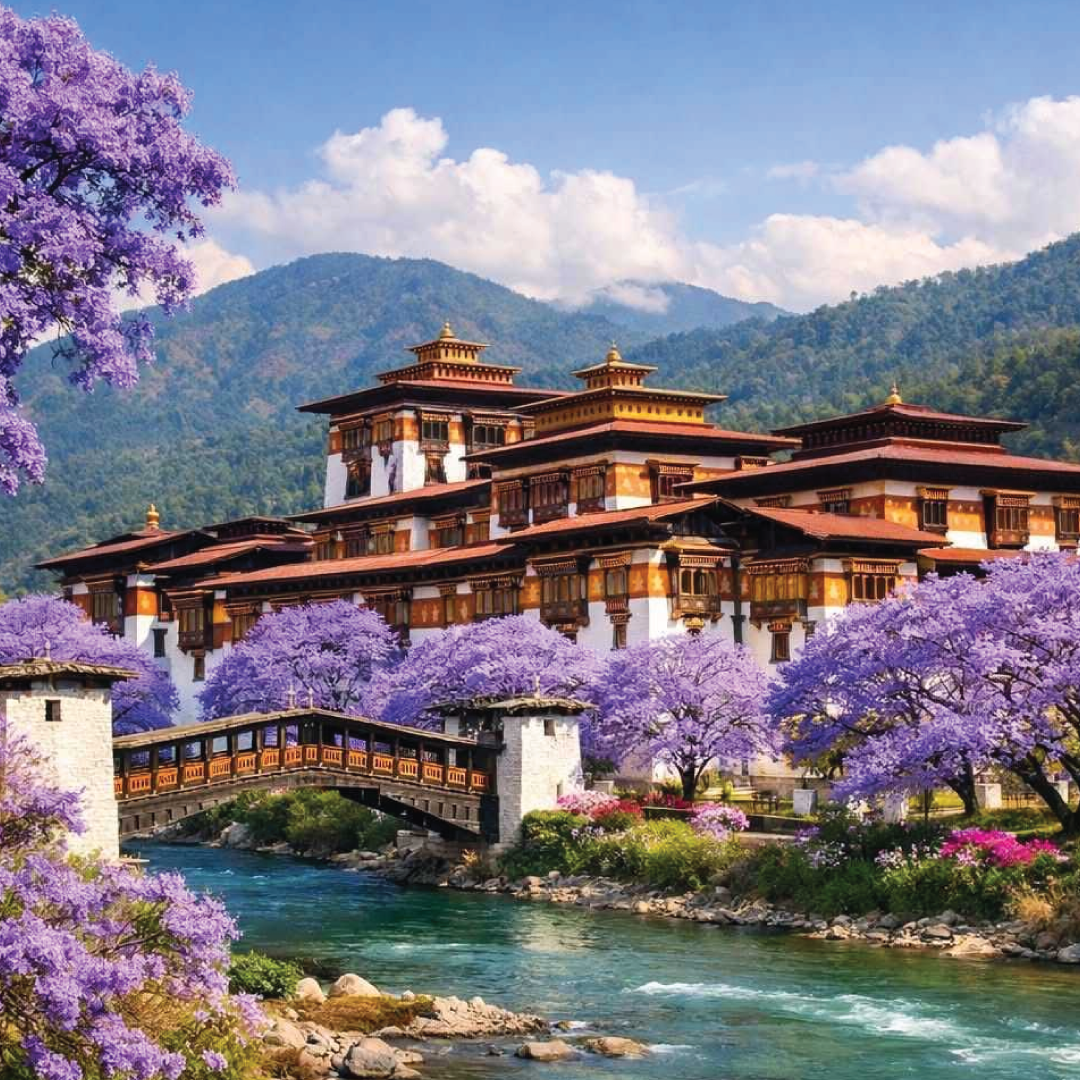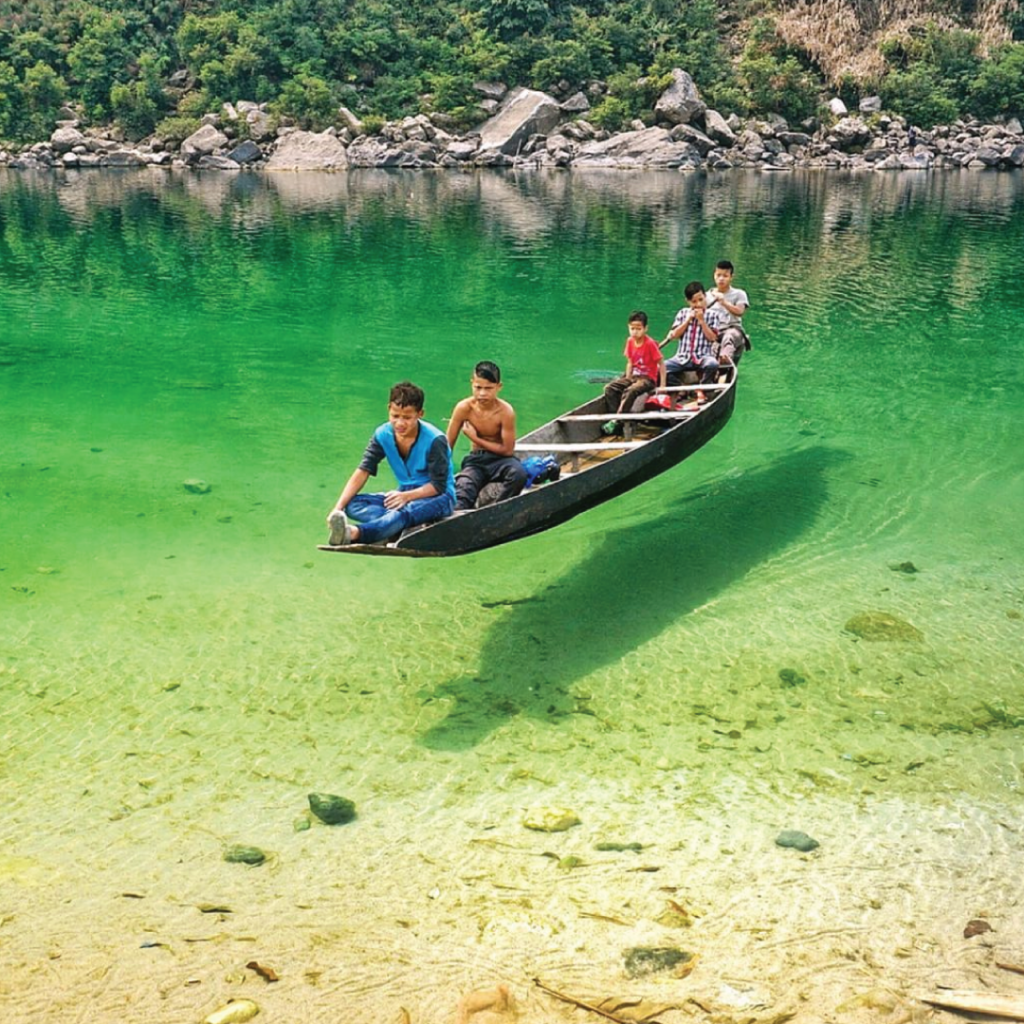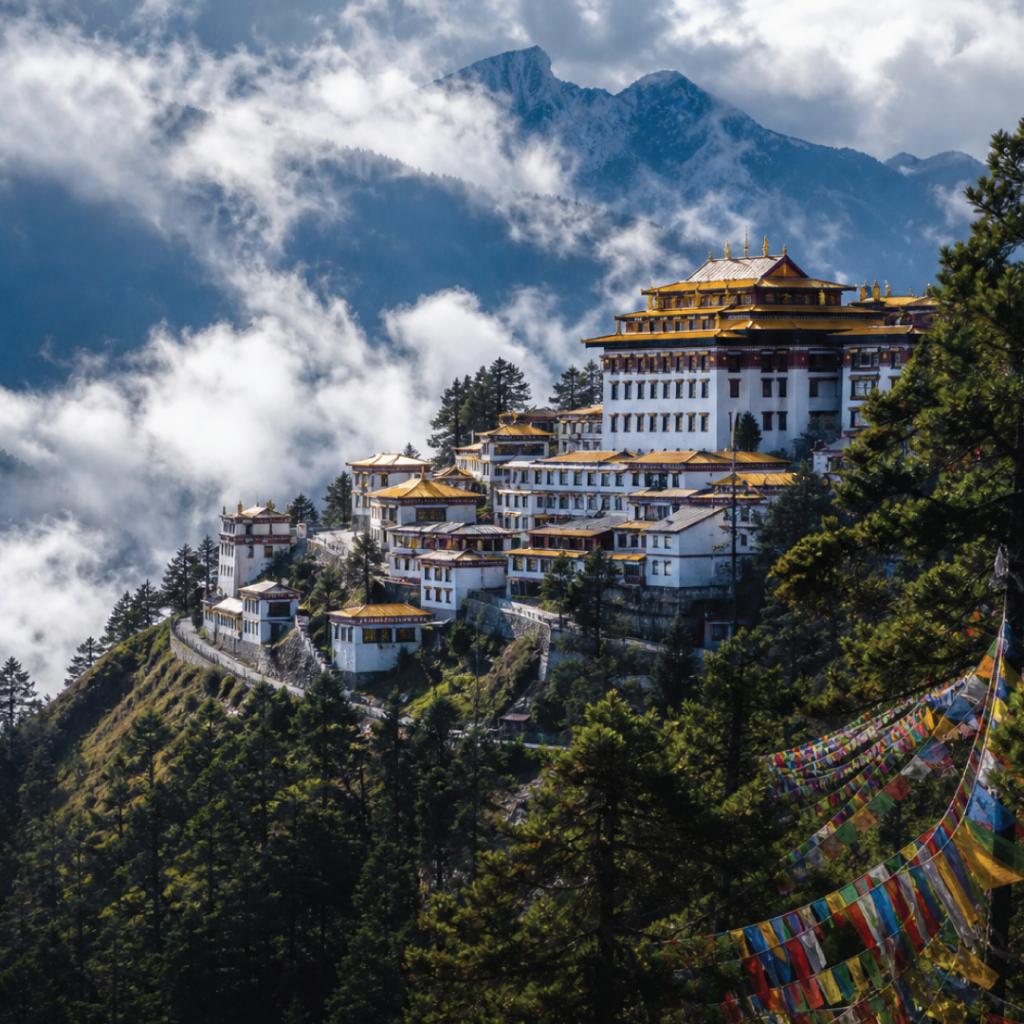
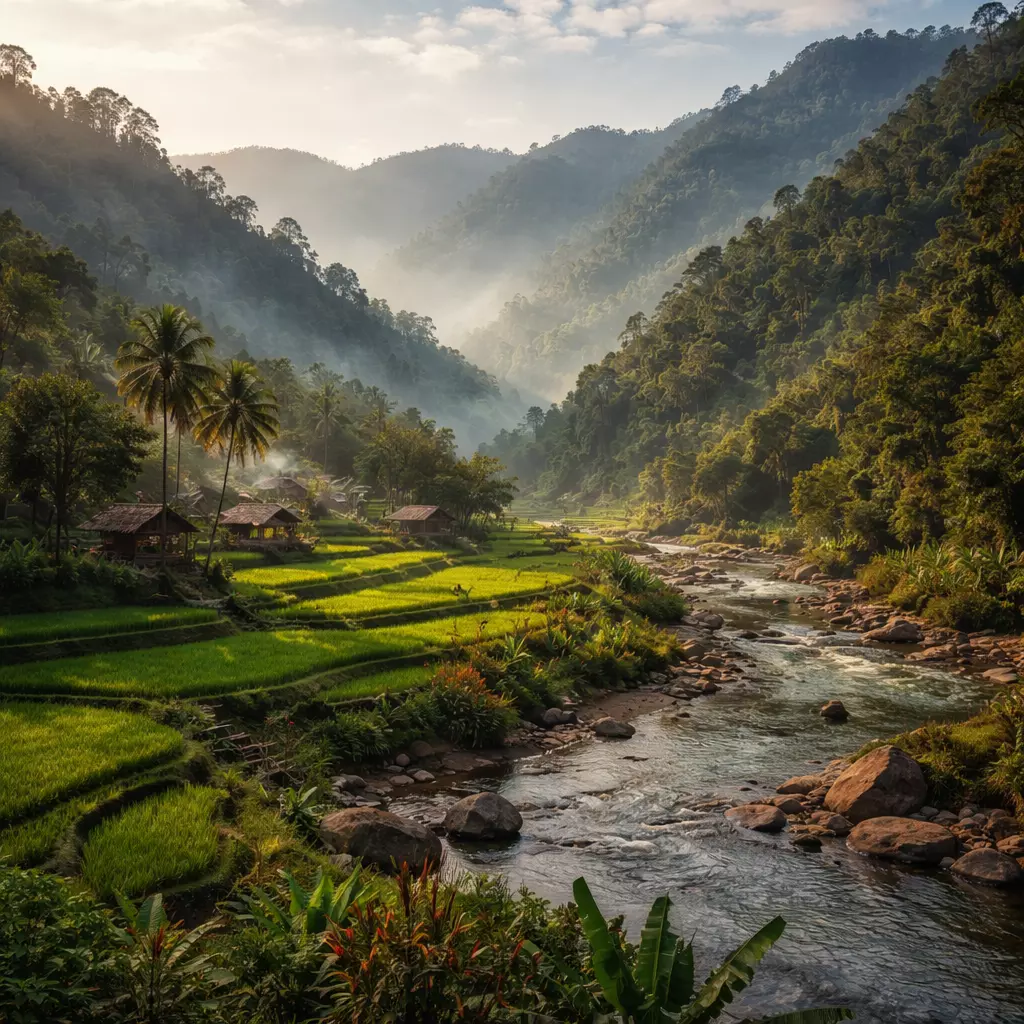
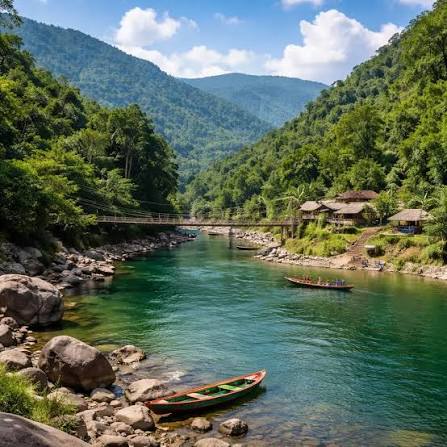
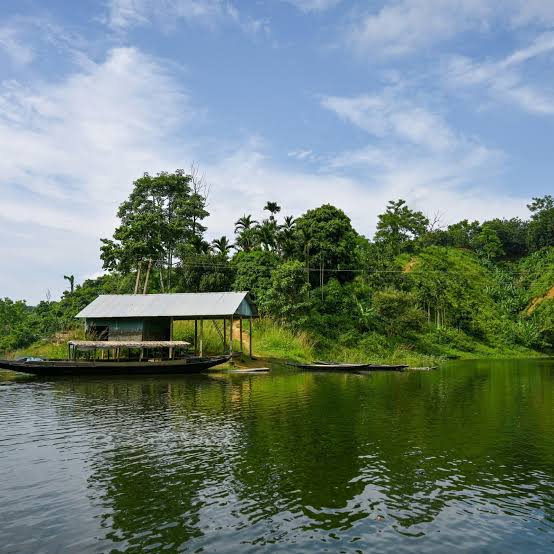
Tripura, tucked away in Northeast India, is a fascinating blend of royal heritage, natural panorama, vibrant tribal culture, and spiritual charm. Bordered by Bangladesh on three sides and covered by lush hills and valleys, it remains one of India’s lesser-explored treasures—ideal for travelers seeking a serene yet culturally immersive getaway.
Geographic & Cultural Overview
- Landscape: Tripura is renowned for its undulating hills, fertile plains, silent lakes, and dense tropical forests. The state is dotted with ancient temples, scenic water palaces, and tranquil countryside.
- Capital: Agartala, a lively city that serves as the cultural and administrative center, boasts impressive palaces, vibrant markets, and an old-world charm.
- Culture: The state is a melting pot of indigenous tribes, Bengali influences, and royal legacy. Folk dances, unique festivals, and bamboo crafts are hallmarks of daily life.
Highlights of a Tripura Tour
- Royal Heritage: Ujjayanta Palace in Agartala exemplifies Indo-Saracenic architecture and houses a museum with artifacts narrating Tripura’s monarchic past.
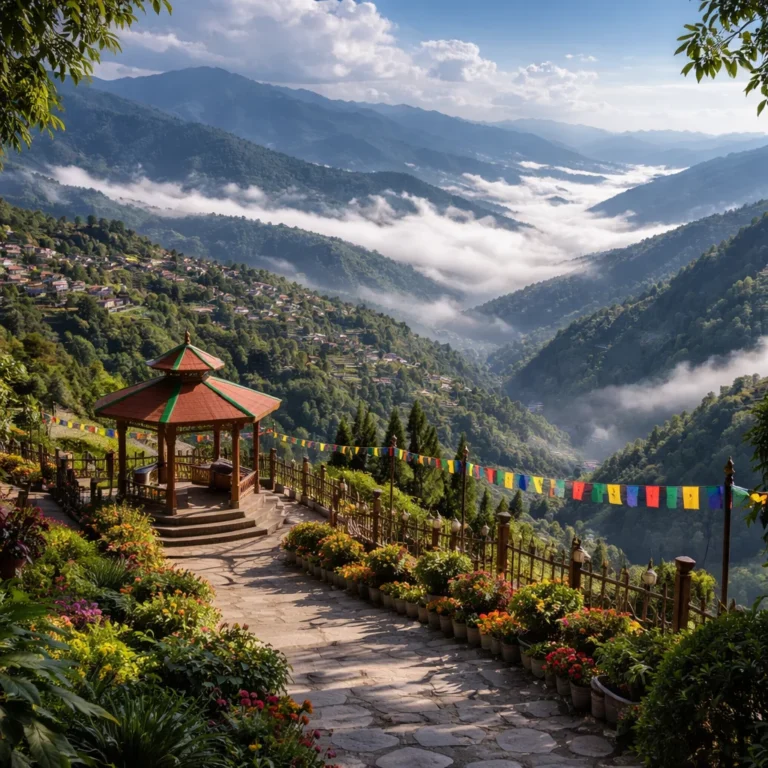
- Natural Retreats: Jampui Hills, known for perpetual spring, orange orchards, and stunning sunrises/sunsets, offer a serene mountain escape. Dumboor Lake, surrounded by forested islands and teeming with birdlife, is perfect for boating and nature seekers.
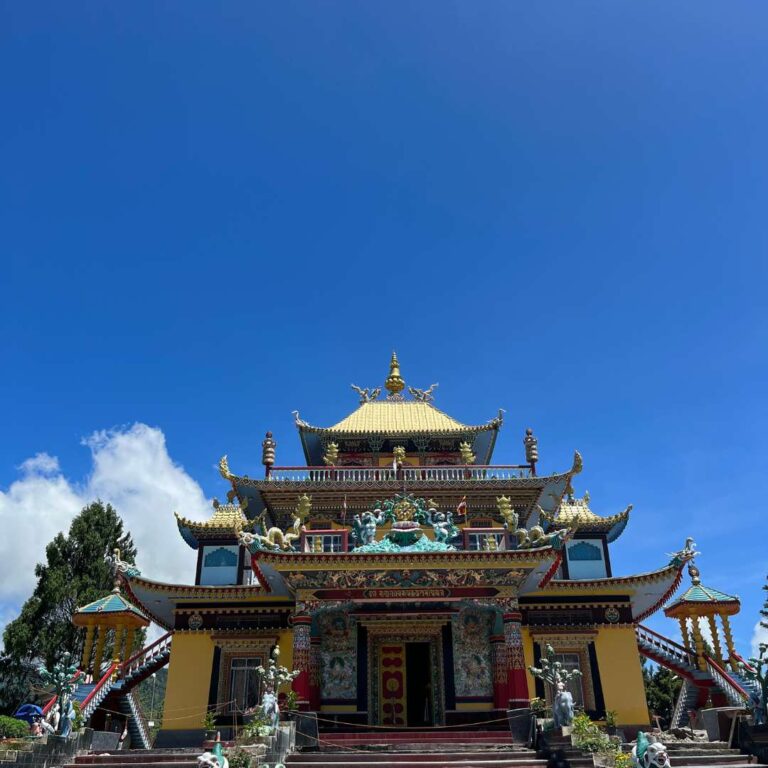
- Sacred Sites: The iconic Tripura Sundari Temple (Matabari) is a Shakti Peetha, drawing pilgrims from across India. Neermahal, a ‘water palace’ in Rudrasagar Lake, stands as a unique blend of Hindu and Mughal aesthetics.
- Cultural Encounters: Tribal villages, vibrant crafts markets, and local cuisine provide travelers with authentic experiences—witness dances like Hojagiri and taste Tripuri dishes made from bamboo shoots and smoked fish.
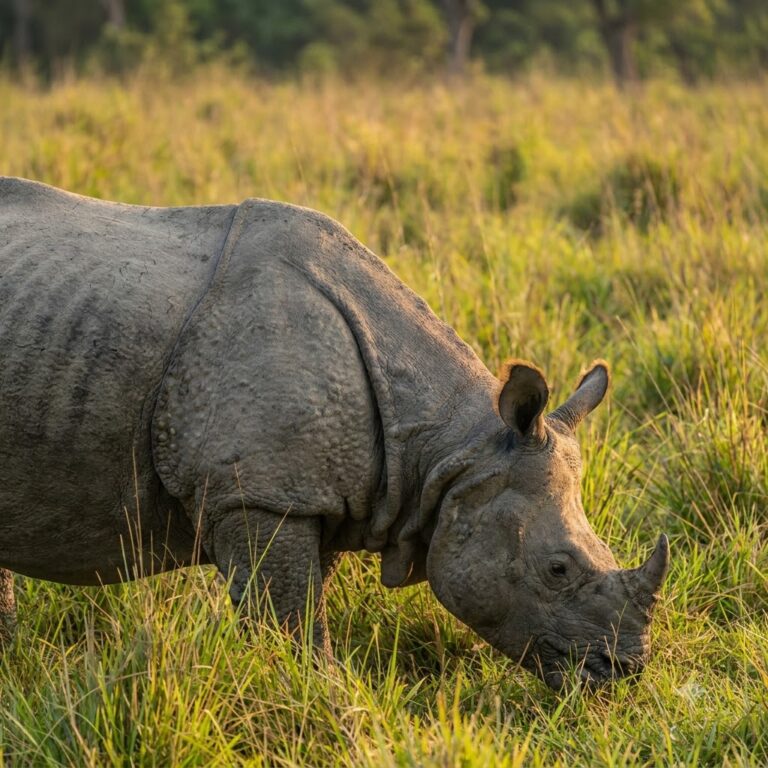
- Wildlife & Flora: Explore Sepahijala Wildlife Sanctuary and Kalasagar Lake for glimpses of migratory birds, primates, and scenic tranquility. Phumdis (floating islands) at Dumboor Lake are a major draw for eco-tourists.
Travel Experience
A tour through Tripura is a journey across time—traversing ancient rock-cut carvings at Unakoti, wandering regal corridors at Ujjayanta and Neermahal, and savoring the hospitality of tribal hamlets. Each destination offers an opportunity to delve deep into India’s diverse northeast—whether boating on peaceful lakes, exploring sacred shrines, or shopping for handwoven textiles and bamboo artifacts.
Key Attractions Table
| Day | Major Sites | Highlights |
|---|---|---|
| 1 | Ujjayanta Palace, Local Markets | Royal architecture, local culture |
| 2 | Jampui Hills | Scenic landscapes, tribal villages |
| 3 | Kalasagar Lake, Kali Temple, Heritage Park | Spiritual sites, rural heritage |
| 4 | Neermahal, Tripura Sundari Temple, Sepahijala | Water palace, sacred temples, wildlife |
| 5 | Dumboor Lake, Narkel Kunja Island | Boating, birdwatching, natural scenery |
| 6 | Unakoti, State Museum (optional) | Archaeology, tribal/royal history |
Cultural Experiences
- Witness traditional dance forms like the Hojagiri or Lebang Boomani, performed at festivals or local events.
- Sample Tripuri cuisine (try Mui Borok, bamboo shoot curry, and smoked fish).
- Explore tribal handicraft markets for bamboo, cane, and handloom products.
Travel Tips
- Best time to visit: October–March for pleasant weather and festivals.
- Transport: Private taxi or hired vehicle is comfortable for this route.
- Permits: No special permits required for Indian tourists; carry a valid ID.
Embark on this 6-day Tripura itinerary for a seamless mix of heritage, sacred sites, scenic beauty, and authentic cultural encounterscounters.